Choosing rehearsal dinner venues dc couples can genuinely use comes down to three things: how many people you are hosting, who is traveling in from out of town, and how close the room sits to the wedding hotel and the ceremony site. Get those aligned and the rest of the evening tends to plan itself.
This guide walks through the room types you will find across the city, some long-established venues worth a look in each neighborhood, the timing questions that trip couples up, and how to move parents, the wedding party and out-of-town guests between hotel and restaurant without anyone standing on a curb waiting. The same planning habits carry over to the rest of your pre-wedding week, which is why our Ultimate DC Bachelorette Party Guide is a useful companion read.
Key takeaways
- Match the room to the guest count first: a 30-person dinner and a 90-person dinner need very different venues.
- A private room with a set menu keeps the evening on schedule and the budget predictable.
- Out-of-town guests usually stay near the wedding hotel, so keep the dinner within an easy ride.
- Book the venue and the transport in the same week so both sides work from the same timeline.
- The rehearsal itself often ends somewhere different from the dinner, so plan two pickups, not one.
Start with the guest list and the room
The first decision is headcount, not cuisine. A rehearsal dinner for 20 people can sit at one long table in a private room, while 60 or more usually means a buyout or a hotel ballroom. Knowing your number early keeps you from falling for a space that cannot hold your group without splitting it across two rooms.
In DC, private dining rooms tend to top out between 30 and 50 guests, so if your list is larger you will be looking at restaurant buyouts or hotel event spaces. Those larger rooms often come with food and beverage minimums that change how you budget. Be honest about the final count before you tour, because a room that feels full at 40 can feel empty at 25.
Think about who is coming and why. Out-of-town family may want a location near their hotel, while the wedding party may prefer something close to the rehearsal site. The room should fit the tone you want: a relaxed dinner for the people who have supported you, not a second reception. Once you know the size and the guest mix, the neighborhood and venue type narrow quickly.
Rehearsal dinner venues in DC by neighborhood
DC neighborhoods each offer a different mix of venue types, and the right one depends on your guest list and where everyone is staying. The table below outlines common areas and what they tend to suit, along with practical considerations for each.
Use it as a starting point for your own shortlist, then confirm details directly with each venue. Distances matter on a Friday night, so factor in how your guests will travel between hotel, ceremony site and restaurant.
| Neighborhood | Typical venue types | Suits | Practical notes |
|---|---|---|---|
| Georgetown | Historic inns, private clubs, waterfront restaurants | Couples who want charm and walkability | Street parking is limited; allow extra time for drop-offs. |
| Capitol Hill | Townhouse restaurants, private dining rooms near Eastern Market | Wedding parties staying near the Capitol | Popular with Capitol Hill residents; book well ahead. |
| Dupont Circle | Embassy-row restaurants, hotel dining rooms | Out-of-town guests staying in the central business district | Metro accessible; evening traffic can be heavy. |
| Downtown & Penn Quarter | Hotel restaurants, large private rooms | Larger groups and hotel-based weekends | Convenient to many hotels; expect higher minimums. |
| Navy Yard & The Wharf | Waterfront restaurants with patio space | Summer evenings and casual dinners | Views are a draw; confirm weather backup. |
| Foggy Bottom & West End | Hotel restaurants, smaller private rooms | Groups wanting proximity to the Kennedy Center and Georgetown | Quiet streets; limited late-night options. |
| Arlington & Alexandria | Historic inns, independent restaurants | Guests staying in Virginia | Short drive from DC; watch bridge traffic at rush hour. |
Room styles you will see on site visits
As you tour venues, you will notice a few recurring room styles. Each comes with its own set of questions about layout, sound and service, so it helps to know what you are looking at before you walk in.
Private dining rooms
These are rooms within a larger restaurant, often with their own entrance and service team. They suit groups of 20 to 50 and usually come with a set menu or a minimum spend. Ask about noise from the main dining room and whether the room can be closed off completely.
Historic houses and clubs
DC has several historic homes and private clubs that open their dining rooms for events. They offer character and a sense of place, but may have stricter rules about décor, music and timing. Confirm what is included and what you need to bring in, such as rentals or AV.
Hotel restaurants and ballrooms
Hotels are convenient for out-of-town guests and often have multiple room sizes. They can handle larger groups and offer in-house catering and staff. Ask about food and beverage minimums, parking validation and whether other events are booked in adjacent spaces that evening.
Garden and patio spaces
Outdoor rooms are lovely in spring and fall but need a weather plan. Ask about heaters, tents or indoor backup, and whether the space is shared with other diners. Also check the surface: gravel or grass can be difficult for guests in heels or with mobility needs.
Restaurant buyouts
Taking over a whole restaurant gives you control over the space and the playlist. It usually requires a higher minimum and may have a set date and time. Ask about the latest possible start time, noise limits and whether the kitchen can accommodate dietary needs for your full group.
Questions to ask before you sign
Once you have a shortlist, a few direct questions will save you from surprises later. Ask these before you put down a deposit, and get the answers in writing.
- What is the food and beverage minimum, and does it include tax and gratuity?
- Is there a room rental fee, and what exactly does it cover?
- How long is the room reserved, and when can we arrive to set up?
- What is the cancellation policy and the deposit schedule?
- Can we bring our own décor, cake or wine, and are there fees for that?
- Is there a sound system, and can we play our own music?
- Is the space accessible for guests with mobility needs, including restrooms?
- What parking options are nearby, and do you offer validation?
Timing the evening around the rehearsal
paragraph
40–70 words
- Rehearsal at the churchMost rehearsals run about an hour, often starting in the late afternoon. Confirm the start time with the officiant and the church office, since some buildings have their own evening cutoff.
- Load and drive to the restaurantBuild in a buffer for DC traffic and for loading people who are standing around chatting. Twenty to thirty minutes is realistic for a short hop; longer if you cross a bridge.
- Cocktails on arrivalGuests usually arrive before the couple and the wedding party. A short drinks window gives latecomers room to settle without holding up dinner.
- Dinner and toastsSeat the wedding party together and keep toasts to a handful of speakers. If parents and grandparents are traveling in, seat them close to the couple so the evening feels like one room.
- Thank-yous and giftsMany couples hand out wedding party gifts at the rehearsal dinner rather than the morning of. Keep them somewhere in the vehicle you control, not in a guest's car.
- Last ride backDecide in advance who leaves when. A single departure time for out-of-town guests is easier to manage than a slow trickle, and it lets drivers plan the return leg.
- The night before the weddingCouples and the wedding party usually want an early end. Agree on a firm finish so the morning does not start tired.
Getting everyone there: rehearsal dinner transportation
The night before the wedding carries its own logistics, and they are different from the wedding day. Out-of-town family may not know the city, some guests arrive straight from the airport, and the wedding party is often moving between hotel, church and restaurant in the same evening. Add a rehearsal that ends at a set time and a dinner reservation that will not wait, and you have a small transport problem worth solving in advance.
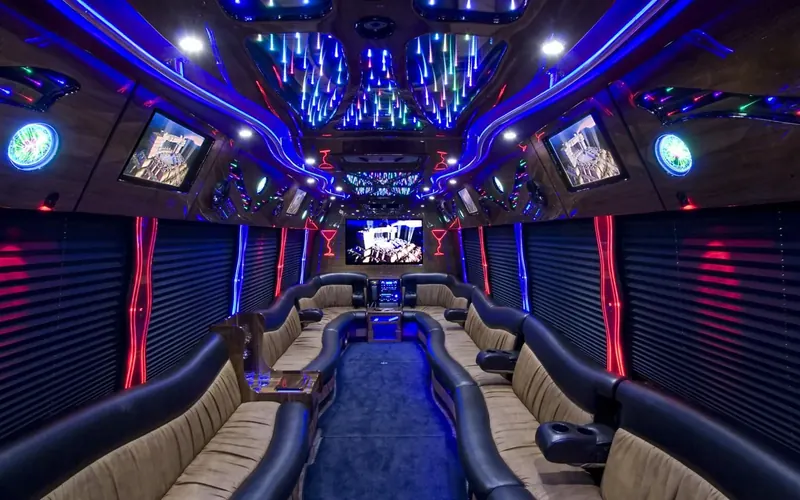
This is why we treat the rehearsal dinner as its own booking rather than an afterthought. Our rehearsal dinner transportation service covers the church-to-restaurant run, hotel pickups for family and guests, and the return trip at the end of the night. A sedan or SUV works well for parents and grandparents, a Sprinter van keeps a gown and heels comfortable, and a shuttle bus handles a larger out-of-town group moving between one hotel and the restaurant.
The practical benefit is that nobody has to drive, park in a strange neighborhood or split into separate cars. One written run sheet covers the whole evening, and the chauffeur stays in touch with you or your planner as the rehearsal runs long or dinner starts late. Check the wedding fleet for seat ranges and confirm the exact vehicle on your quote.
Venues beyond the District line
Old Town Alexandria is a short drive from much of DC and offers cobblestone streets, historic buildings and a dense cluster of long-established restaurants, many in converted townhouses and warehouses near the waterfront. Parking is easier than downtown DC, and a restaurant on or near King Street puts out-of-town guests within walking distance of several hotels. The trade-off is that weekend evenings in Old Town get busy, so a planned drop-off and pickup point matters.
Arlington and the Rosslyn-Ballston corridor hold a wide range of restaurants, from steakhouses to small private rooms, and sit close to National Airport. That makes them useful if family is flying in the day before. Clarendon and Ballston have their own restaurant districts, and a venue near a Metro station gives guests who are not driving an easy alternative. If your ceremony is in DC, the drive back across the Potomac is usually quick outside rush hour.
Bethesda and Chevy Chase suit couples whose wedding is in Maryland or whose families are staying on that side of the line. Downtown Bethesda has a concentration of restaurants with private dining rooms, and the streets are walkable. Parking garages are plentiful compared with the District, which simplifies things if guests are driving themselves. Our service areas page lists the neighborhoods we cover across DC, Virginia and Maryland.
Planning the transport side of the evening
We start with a written, itemized quote before anything is booked. It lists the vehicles, the hours, gratuity, tolls, parking, any décor requests and the deposit and cancellation terms, so you can see exactly what the evening costs and compare it with the rest of your budget. Nothing is booked until you accept the quote. You can request a free wedding quote once you know your venue, your rehearsal time and roughly how many people need a ride.
Once you book, every wedding gets one written run sheet shared with you or your planner. It shows pickup times, addresses, who rides in which vehicle and the return plan at the end of the night. On the day, the chauffeur stays in touch with your planner or a named contact, so a rehearsal that runs fifteen minutes late does not turn into a line of guests waiting outside the restaurant.
Keep the plan simple. Decide who rides together, set one clear departure time from the restaurant, and put the details on the run sheet rather than in a group text. If you want to see how the rest of the wedding day fits together, our wedding transportation page covers the morning, the ceremony run and the getaway.