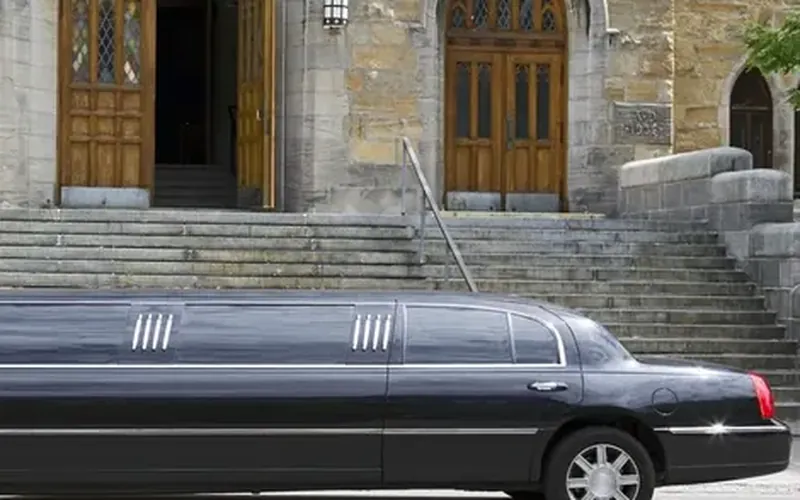
Choosing among the wedding venues in Washington DC comes down to two things: the room you want and how easily your people can reach it. The city has landmark buildings, hotels, rooftops, waterfront spaces and gardens, and each one sits in a different traffic pattern. This guide walks through the main venue types, what each is like for guests and photos, and how to plan the ride between hotel, ceremony and reception.
We cover DC neighborhoods and the Virginia and Maryland venues couples most often compare, with honest notes on bridges, parking and timing. You will also find a simple way to size your vehicles, a sample run sheet for a city wedding day, and questions to settle before you book anything. Transportation is only part of the day, but it is the part that decides whether the schedule holds.
Key takeaways
- Match the venue to the route: bridges, parking and rush hour shape the day as much as the room does.
- Most DC weddings need three moves: to the ceremony, to photos, and to the reception.
- Size vehicles by who must travel together, not by total guest count.
- Ask every venue about load zones, permits and vendor arrival times before you book.
- One written run sheet, shared with your planner, prevents most wedding-day delays.
How to compare wedding venues in Washington DC
Start with capacity, because it shapes everything else. A room that seats 120 comfortably will feel generous for 90 guests and crowded at 140 once you add a dance floor, a band and a buffet line. Ask each venue for its seated and standing numbers separately, and ask where cocktail hour, dinner and dancing each happen. A venue that moves guests between rooms can work beautifully, but every move adds time and something for your planner to manage.
Location and access come next. A landmark address in the District is wonderful for photos and hard for parking, while a Virginia estate may offer a lot and a long driveway but sit thirty or forty minutes from your hotel block. Think about where most of your guests are staying, then about the last mile: drop-off lanes, loading zones, stairs, elevators and how far anyone walks in dress shoes. These details decide how your day actually feels.
Then decide whether ceremony and reception share one place. One venue means one setup, one arrival and a single run sheet. Two venues mean a gap in the middle of the day that has to be filled, usually with a photo tour or a break back at the hotel. Finally, weigh the time of day: a late-morning ceremony and a lunch, an afternoon ceremony with dinner, or an evening event that ends late. Each one sits in a different traffic pattern and changes how many vehicles you need.
The honest test is to walk the arrival route yourself, or ask someone to. Where does a car stop, who meets guests, is there cover if it rains, and can a shuttle turn around? Venues that host weddings often have a preferred flow for arrivals and a clear place for vehicles to wait. Our wedding venues we serve page groups the places we drive to most by type and neighborhood, which helps you compare like with like before you tour.
Landmark and museum spaces in the city
Washington's best-known institutions host private events in spaces that most visitors never see, from grand halls to courtyards and gardens. Buildings on and around the National Mall put your ceremony in the middle of the city's most recognizable scenery, which is a gift for photographs and a challenge for logistics. Guests arrive from every direction, parking is limited, and the security and access rules for each building are specific. Confirm those rules directly with the venue before you plan anything else.
Because these buildings sit close together, a wedding here often becomes a short-hop day: hotel to ceremony, ceremony to a photo stop, then on to the reception. Those short trips add up in time even when the distance is small, since loading, unloading and waiting all count against the clock. A single vehicle for the couple and a larger one for the wedding party usually works better than moving everyone in one car.
Photographs around the Mall and the memorials are a draw, but crowds, permits and construction can change what is possible on a given day. Build flexibility into the photo plan and let your photographer lead on where to stop. For the ride itself, our wedding photo tour service is built around a route with waiting time rather than a single drop-off, so the car is there when the light changes.
If your ceremony is in a landmark building and your reception is elsewhere, plan the handoff carefully. Give guests a clear departure time, and put a named contact at the door so no one is left looking for a ride. Our church wedding transportation page covers the arrival and release pattern that works for ceremony-first days, and it applies just as well to a museum ceremony.
Hotel ballrooms and rooftop venues
Hotels do the most to simplify a wedding with out-of-town guests. Ceremony, reception and sleeping rooms sit in one building, so nobody needs a car at the end of the night and the getting-ready rooms are an elevator ride from the aisle. That convenience is worth real money when half your list is flying in. The trade-off is that a hotel ballroom is a blank room, so your décor and lighting do most of the work of making it feel like yours.
Rooftops are the opposite: the view is the room. A rooftop ceremony or cocktail hour gives you the Washington skyline and a natural backdrop, and it photographs beautifully at golden hour. The practical side matters just as much. Rooftops have capacity limits, wind, weather contingencies and a single elevator or stair route for guests, and those details decide how arrivals and departures are staged.
A hotel wedding usually needs fewer vehicles than couples expect. You might book a car for the couple, one for the wedding party and a shuttle for guests staying elsewhere. If your ceremony is at a church and the reception is at the hotel, the guest shuttle does the heavy lifting while the couple rides separately. Our guides to hotel wedding venues in Washington DC and rooftop wedding venues in Washington DC go deeper on both venue types, and the hotel to venue shuttle page explains how the guest loop is planned.
One detail to settle early is the hotel driveway. Large hotels often have a busy front entrance shared with other events, so loading and unloading happens in a specific spot at a specific time. Ask the venue how arrivals are managed and pass that to your transportation provider in writing. That one conversation prevents most of the confusion on the day.
Waterfront venues at The Wharf, Georgetown and National Harbor
The Wharf, Georgetown and National Harbor give you water, sky and a choice of indoor and outdoor spaces within a short walk of each other. They are three very different places to arrive, though. The Wharf is a newer district on the Southwest waterfront with restaurants, piers and event spaces packed into a few blocks, and its streets get busy on weekend evenings. Georgetown is historic and tight, with narrow streets, limited parking and a waterfront park at the bottom of the hill.
National Harbor sits across the Potomac in Maryland, a self-contained resort district with hotels, a convention center and the Capital Wheel. It is easy to reach by car and easy to walk once you are there, which makes it a strong choice when guests are staying on site. The catch is the bridge: the Woodrow Wilson Bridge carries most of the traffic from Virginia and southern Maryland, and a backup there can add real time to a short drive.
Parking and drop-off are the practical questions at all three. The Wharf and Georgetown have garages but limited curbside space, so vehicles often load and unload at a designated point and then wait elsewhere. National Harbor has surface lots and garage parking, and its scale means a shuttle can loop between hotels and a venue without fighting city streets. Our guide to waterfront wedding venues at The Wharf, Georgetown and National Harbor compares the three in detail.
If your day centers on one of these districts, the neighborhood pages are worth reading before you book: wedding limo Navy Yard and The Wharf, wedding limo Georgetown and wedding limo National Harbor. Each covers the streets, the parking and the timing that matter for a wedding there. For a waterfront reception, a guest shuttle from the hotel block is often the single best transportation decision you make.
Churches, chapels and ceremony-first weddings
A church wedding usually means two locations and a fixed start time, and that combination sets the shape of the day. Guests arrive in a narrow window before the ceremony, so the arrival plan has to be simple and repeated: cars drop at the door, guests walk in, vehicles move on. Churches in the District and older Virginia and Maryland towns often sit on small streets with limited curbside space, so confirm where vehicles may stop and how long they may wait.
The gap between ceremony and reception is the part couples underestimate. If the reception starts an hour or two after the ceremony ends, you need somewhere for guests to go, whether that is a hotel lobby, a nearby park or a hosted break. The couple and wedding party often use that window for photographs. Plan the photo route so it ends at the reception rather than circling back, and keep the stops close together.
Family cars matter here. Parents and grandparents often want to leave the church promptly and arrive at the reception without waiting for a group photo. A sedan or SUV for those guests keeps the day calm and is easy to arrange alongside the larger vehicles. Our guide to the most beautiful churches for weddings in Washington DC describes the buildings and their settings, while the church wedding transportation page covers the arrival and release plan.
Ask the church about its own rules before you plan anything: when the party may arrive, whether photography is allowed during the ceremony, and how the building is cleared afterward. Those answers shape the run sheet more than any traffic concern. Once you have them, the transportation plan usually falls into place quickly.
Historic mansions, gardens and estate venues
Historic mansions and estate venues give you a house, grounds and often a garden ceremony, all within a single property. Inside the District, places like the Anderson House on Massachusetts Avenue and the Tudor Place gardens in Georgetown offer that house-and-garden feel in the middle of the city. Outside it, estates in Virginia hunt country and Montgomery County offer lawns, terraces and long views, with room for a tent and a dance floor.
The arrival experience is different from a hotel or a church. Estates often have one driveway, a narrow gate and a gravel or grass area where vehicles turn around, and some ask that cars drop guests at the door and park out of sight. Ask the venue where vehicles may wait, whether the driveway can hold more than one at a time, and what happens if it rains and the ceremony moves indoors. Those answers decide how you stage arrivals.
Guests in heels and formal wear notice gravel, grass and uneven garden paths. If your ceremony is on a lawn, a shuttle that drops close to the seating is kinder than a long walk from a distant lot, and it keeps the arrival grouped. For the couple, a car that waits on site through the ceremony and photos means no one has to call for a ride mid-day. Our guide to historic mansion wedding venues in the DC area covers the properties and their settings.
Estate weddings also tend to run later and farther from hotels, which makes the ride home part of the plan. A guest shuttle that loops back to the hotel block at set times is often the difference between a relaxed ending and a scatter of rides. If your venue is in Virginia wine country, our Virginia wine country wedding transportation page covers the rural roads and timing in more detail.
Virginia and Maryland venues within reach of DC
Northern Virginia wineries are a popular choice for couples who want a rural backdrop without leaving the region. Venues in Loudoun County, around Leesburg and Middleburg, and in Fauquier County sit among vineyards and rolling hills, often with barns, tasting rooms or tented lawns for receptions. The trade-off is distance and narrow country roads, so plan for longer transfers and limited passing lanes. Our guide to Northern Virginia winery weddings covers venue styles and the transport rhythm that works best.
Old Town Alexandria offers a different feel: cobblestone streets, historic churches, brick townhouses and waterfront parks. Ceremonies at places like Christ Church or the Lyceum, followed by receptions at nearby hotels or restaurants, keep guests within walking distance of each other. Parking is tight and many streets are one-way, so shuttles and drop-offs need clear instructions. For couples considering Alexandria, our Old Town Alexandria wedding limo service explains local pickup points and timing.
Maryland venues near DC range from Annapolis waterfront properties to estate gardens in Montgomery County and converted barns in Howard County. Annapolis brings the Chesapeake Bay, the Naval Academy and a compact historic district, while Bethesda, Chevy Chase and Potomac offer suburban estates and country clubs. Each route has its own bridge or beltway consideration, from the Chesapeake Bay Bridge to the Capital Beltway. Our Maryland wedding venues near DC guide compares the options, and our Annapolis wedding guide covers that city in detail.
Drive times between common venue areas
The table below gives rough drive times between common hotel, ceremony and reception areas. Treat these as planning estimates, not promises: traffic, events, weather and construction can add significant time, especially on weekday afternoons and during rush hour. Add a buffer of 15 to 30 minutes for any transfer that crosses a bridge or uses the Beltway.
These times assume normal conditions and a direct route. If your ceremony and reception are in different jurisdictions, build in extra time for bridge crossings and for guests who are unfamiliar with the area. Your run sheet should list each leg with a departure time and a cushion, so the day does not depend on everything going perfectly.
| From | To | Typical drive time | Notes |
|---|---|---|---|
| Downtown DC hotel | Georgetown | 15–25 min | Parking and one-way streets add time |
| Downtown DC hotel | The Wharf or Navy Yard | 10–20 min | Short hop, but event traffic can slow it |
| Downtown DC hotel | Capitol Hill | 10–20 min | Watch for game-day and event closures |
| Downtown DC hotel | National Harbor | 20–35 min | Crosses the Woodrow Wilson Bridge |
| Downtown DC hotel | Old Town Alexandria | 25–40 min | I-395 or GW Parkway; bridge traffic |
| Downtown DC hotel | McLean or Tysons | 25–40 min | Beltway and Dulles Toll Road |
| Downtown DC hotel | Bethesda or Chevy Chase | 20–35 min | Wisconsin Avenue or Beltway |
| Downtown DC hotel | Leesburg or Middleburg | 50–75 min | Dulles Greenway and country roads |
| Downtown DC hotel | Annapolis | 40–60 min | US-50 and the Bay Bridge approach |
What each venue type means for transportation
The venue type shapes the vehicles you need and how you sequence the day. A downtown hotel with everything in one place calls for a different plan than a winery with a gravel drive and no nearby hotels. Use these pairings as a starting point, then confirm the exact vehicle and timing on your written quote.
Landmark and museum spaces
These venues often sit on the National Mall or in federal buildings with tight security and limited curbside access. Drop-offs may be a block or two away, and vehicles cannot wait at the door. A Sprinter Limo Van keeps the wedding party together and makes re-boarding easy, while a Luxury Sedan & SUV handles parents and VIPs. Confirm the exact drop-off point with the venue in advance.
Hotel ballrooms and rooftops
When the ceremony and reception are in the same hotel, you may only need a short transfer for photos or a getaway car. A Stretch Limousine or Escalade Limo works well for the couple, while a Wedding Guest Shuttle moves out-of-town guests from overflow hotels. Rooftop venues may have a single loading zone, so schedule arrivals in waves.
Waterfront venues
The Wharf, Georgetown and National Harbor draw crowds on weekends, and parking is limited. A Wedding Party Bus keeps a large bridal party together, and a Hotel to Venue Shuttle reduces the number of cars circling the block. For a couple’s exit, a Getaway Car can be staged nearby. Our waterfront venues guide covers each area.
Churches and chapels
Church ceremonies often have strict arrival windows and limited curb space. The bride and bridal party usually arrive separately from the groom and groomsmen, so two vehicles are common. A Church Wedding Transportation plan lists who rides with whom and when. After the ceremony, guests may need a shuttle to the reception if parking is scarce.
Historic mansions and gardens
Estates often have long driveways, gravel paths and designated drop-off loops. A Sprinter Limo Van handles uneven ground and gowns better than a low sedan, and an SUV Stretch Limo can carry a larger party in one vehicle. Confirm whether vehicles can wait on site or must return later. Our historic mansion guide has more detail.
Wineries and rural venues
Country roads, limited cell service and distant hotels make shuttles the practical choice. A Shuttle Bus & Mini Coach moves guests from a central hotel, and a Wedding Party Bus keeps the bridal party together for photos. Build in extra time for narrow lanes and gravel. See our Virginia Wine Country weddings page for route notes.
Rooftop and small urban venues
Small venues may have one elevator and a single loading zone, so arrivals need to be staggered. A Luxury Sedan & SUV works for parents and grandparents, while a Stretch Limousine suits the couple. If guests are staying at a nearby hotel, a Wedding Guest Shuttle can loop every 20 to 30 minutes. Our rooftop venues guide lists options.
Budget-conscious venues
Parks, community halls and smaller historic sites often have limited parking and no dedicated loading zone. A single Sprinter Limo Van or SUV Stretch Limo can replace several cars and simplify the day. If guests are local, a Wedding Guest Shuttle from a central meeting point may be more efficient than asking everyone to drive. See our budget-friendly venues guide.
A sample run sheet for a DC wedding day
A run sheet turns a list of bookings into a sequence that the chauffeurs and your planner can follow. The sample below is for a downtown hotel wedding with a church ceremony and a reception across town. Adjust the times to your own schedule, and keep a buffer between every leg.
- Morning pickupThe bride and bridal party are collected from the hotel and taken to the salon or back to the hotel for hair and makeup, with a cushion before the next leg.
- Bride to ceremonyThe bride and father travel to the church ahead of the ceremony, arriving with time to spare for photos and a final check with the coordinator.
- Groom and groomsmenA separate vehicle delivers the groom and groomsmen to the church earlier, so they are in place before guests arrive.
- Guest shuttleA shuttle loops from the hotel to the church and back, with the last run timed to leave before the ceremony begins.
- Ceremony to photosAfter the ceremony, the wedding party travels to a photo location while guests move to the reception venue by shuttle or their own cars.
- Reception arrivalThe couple arrives at the reception after photos, with a buffer so they are not rushed and can greet guests as they arrive.
- Evening guest shuttleIf guests are staying at a hotel, a shuttle runs at the end of the night on a set schedule, with the last departure confirmed in advance.
- Getaway carA separate vehicle is staged for the couple’s exit, with the route and drop-off confirmed before the reception begins.
Questions to ask a venue before you book transportation
Every venue has its own rules about vehicles, timing and access, and those rules affect your transportation plan. Ask these questions early and get the answers in writing, ideally in the venue contract or a confirmation email. Share the answers with your transportation provider so the run sheet reflects reality.
- Where can vehicles drop off and pick up guests, and is there a designated loading zone?
- Can vehicles wait on site during the ceremony and reception, or must they leave and return?
- Are there time restrictions for arrivals and departures, such as a strict ceremony start or a reception end time?
- Is parking available for shuttles and guest vehicles, and is there a charge?
- Are there noise or idling restrictions that affect how long a vehicle can wait?
- What is the backup plan if the loading zone is blocked by another event or construction?
- Who is the venue contact on the day, and how should the chauffeur reach them?
- Are there any permits or insurance requirements for commercial vehicles on the property?
Planning the transportation for your venue
Start by listing every move in the day: hotel to ceremony, ceremony to photos, photos to reception, guest shuttles, and the getaway. For each leg, note who is traveling, how many people, and how much time the transfer takes. That list tells you how many vehicles you need and what size. A multi-vehicle wedding plan often combines a sedan for parents, a van for the bridal party and a shuttle for guests.
Next, match the vehicle to the venue and the people. A Sprinter Limo Van is easier for a gown than a low sedan, while a Wedding Party Bus keeps a large group together. For parents and grandparents, a Luxury Sedan & SUV is comfortable and discreet. If you are considering a classic or vintage car, availability is confirmed on request; these are not part of our standard fleet. Your written quote will list the exact vehicle, hours, gratuity, tolls, parking and any décor requests.
Once you have a plan, ask for a written, itemized quote so you can compare options and see exactly what is included. Nothing is booked until you accept the quote, and every wedding gets one written run sheet shared with you or your planner. On the day, the chauffeur stays in touch with your planner or named contact. To start, get a free wedding quote and we will help you size the fleet for your venue.