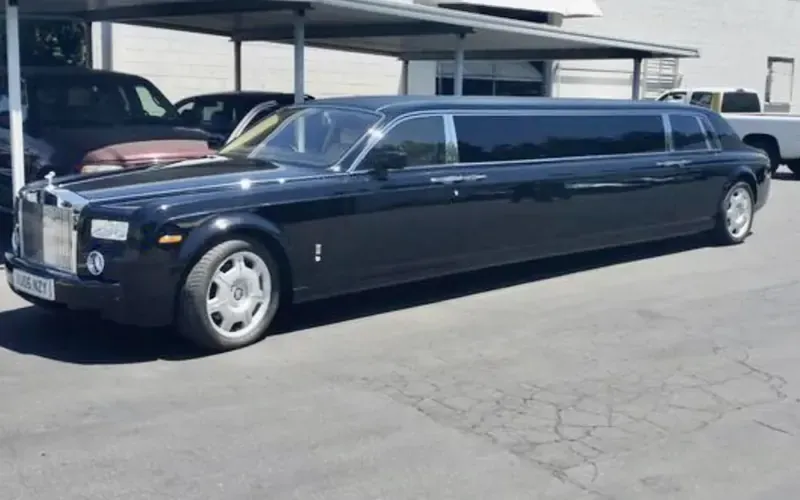
Vintage wedding cars are one of the few wedding choices that guests remember years later. A restored sedan from the 1930s or a convertible from the 1960s changes how the couple arrives, how photos look and how the morning feels. This guide covers the styles you are likely to find, what drives the cost, and how a classic car fits with the rest of your wedding transportation.
We do not keep vintage cars in our own fleet, so we will be straight with you about that up front. What we can do is explain how vintage car rentals work in Washington DC, Northern Virginia and Maryland, what to ask before you pay a deposit, and how to pair a classic car with modern vehicles for the wedding party and guests. If you are still deciding between vehicle types overall, start with our comparison of a limo, party bus and Sprinter van before you settle on a look.
Key takeaways
- Vintage cars are usually rented from specialist owners or collectors, not from a general wedding fleet.
- Era, model, condition and distance all affect the price more than the number of hours.
- Book early: a specific car is a single asset that cannot be duplicated on a busy Saturday.
- A classic car seats few people, so plan a second vehicle for the party and guests.
- Confirm insurance, backup arrangements and the exact car in writing before any deposit.
The vintage styles couples ask for most
1920s and 1930s formal sedans
Tall, upright sedans with long hoods, running boards and separate fenders. These cars feel formal and ceremonial, and they suit a church wedding or a black-tie reception. Seating is usually tight in the rear, so plan on the car carrying the couple rather than the whole wedding party.
1940s and 1950s American classics
Rounded bodies, chrome grilles and wide bench seats define this era. They photograph well against brick, stone and tree-lined streets, which makes them a natural fit for Old Town Alexandria, Georgetown and Leesburg. Many are four-door sedans, so parents or grandparents can ride along comfortably.
1950s and 1960s convertibles
A convertible with the top down is the classic getaway image, and it works best in spring and early fall. Wind is the trade-off: a long veil and a structured gown need securing before the car moves. Ask whether the top can be raised for the ride to the reception.
1960s and 1970s European sedans
Smaller, simpler cars with clean lines and a more understated feel. They suit couples planning a modern or minimalist wedding who still want something older than a current model. Rear seating is often modest, so check legroom if a parent with limited mobility will ride.
Restored trucks and other unusual vehicles
Some companies rent restored pickups, wagons and other non-traditional classics. These are fun for a relaxed outdoor wedding or a Virginia farm venue, but they are less common and book early. Confirm seating, weather protection and how guests in formal clothes will get in and out.
Comparing vintage cars with modern wedding vehicles
| Factor | Vintage car | Modern limo or SUV | Party bus or shuttle |
|---|---|---|---|
| Seating | Usually 2–4, occasionally more in a large sedan | Up to 8–20 depending on vehicle | Up to 20–56 |
| Style | Period-specific and distinctive | Contemporary and uniform | Contemporary and uniform |
| Photo look | Strong period character; suits historic streets and architecture | Clean and neutral; works with any setting | Best for group and candid shots |
| Weather protection | Varies by car; convertibles need a dry forecast | Enclosed and climate controlled | Enclosed and climate controlled |
| Availability | Limited; confirmed on request for your date | Reserved ahead with a written quote | Reserved ahead with a written quote |
| Access for gowns | Often tight; check door height and step-in | Varies; Sprinter vans offer easy entry | Step-up entry; check with the company |
| Best use | Couple's arrival, getaway, photo tour | Wedding party, parents, VIP guests | Guest shuttles and the reception run |
What to confirm before you book a classic car
- The exact carAsk for the year, make and model, and a current photo. Confirm in writing that this specific car will appear, not a similar one.
- InsuranceAsk who insures the vehicle and what happens if it is damaged during your event. Your venue may also ask for proof of coverage.
- Chauffeur or self-driveConfirm which you are booking and what the driver's role includes. Self-drive brings parking, traffic and unfamiliar-controls questions.
- Backup vehicleAsk what happens if the car breaks down or is damaged before your date. A written backup plan is worth more than a verbal promise.
- Cancellation and deposit termsRead how much is refundable and by when. Vintage cars often carry stricter terms because only one car exists.
- Fuel and mileage limitsCheck whether fuel is included and whether there is a mileage cap or an extra charge for distance beyond the base area.
- Timing and accessShare your venue address and ask whether the car can reach the door. Narrow lanes, gravel drives and steep entries matter for low-slung classics.
- Weather policyAsk what happens in rain or snow, especially for a convertible, and whether the top can be raised for part of the day.
How a vintage car fits with the rest of your transportation
Most couples who book a classic car use it for one job: carrying the two of them from the getting-ready spot to the ceremony, and then on to photos or the reception. That leaves the wedding party and your parents to travel in something larger and easier to organize. Pairing one classic car with a van or bus keeps the vintage feel where it shows most while everyone else moves together.
For the party itself, a Sprinter limo van or an SUV stretch limo fits a full group in one vehicle, and a wedding party bus handles bigger crews and the run to the reception. Our wedding fleet page lists typical seat ranges for each vehicle so you can match headcount to car. Parents and grandparents often prefer a sedan or SUV, which is quieter and simpler to board in formal clothes.
Guests are a separate question, and a hotel shuttle is usually the cleanest answer. If you want the classic car to reappear later, some couples use it for the getaway at the end of the night while a bus moves guests back to their hotels. Decide early which moments the vintage car is for, then build the rest of the plan around those moments rather than the other way around.
What vintage car rental tends to cost and why
Classic car pricing is built differently from limo pricing. A vintage car is usually charged as a package for a set window rather than by the hour, and the package often includes delivery, a chauffeur and collection afterward. Because only one car of a given model may exist in the area, popular spring and fall Saturdays push prices up.
Several details move the number more than the car itself: distance from the car's base to your first pickup, the number of stops, waiting time during photos, and whether the top goes down. Ask for each as a separate line so you can see what you are paying for.
Deposits and cancellation terms deserve the same attention as the price. A classic car owner may ask for a larger deposit and a longer cancellation window because the car cannot be replaced at short notice. Get the terms in writing, and check what happens if the car is unavailable on the day.
We do not quote vintage cars from a list. Every wedding quote we write is itemized before booking, covering vehicles, hours, gratuity, tolls, parking, décor requests, deposit and cancellation terms, and nothing is booked until you accept it.
Where a classic car looks right in Washington DC, Virginia and Maryland
The setting does a lot of the work. A 1930s sedan on the streets around Capitol Hill or in front of a stone church reads as deliberate, while the same car outside a modern glass venue can look out of place. Think about the buildings, the street surface and the light at the hour you will be photographed.
In DC, the historic blocks of Georgetown, Embassy Row and the streets near Dupont Circle all suit older cars. In Virginia, Old Town Alexandria, Leesburg and the roads through Loudoun County wine country give a classic car room to breathe. In Maryland, Annapolis and the older parts of Bethesda and Chevy Chase offer similar backdrops.
Weather and season matter as much as scenery. Spring and early fall are the kindest months for a convertible, while a closed sedan handles a cold or wet day without drama. Cherry blossom season draws crowds along the Tidal Basin, so build extra time into any photo route in those weeks.
If your ceremony is in a church, check the driveway and door height before you commit to a low car. Many older churches have narrow entrances and steps that a long gown has to manage. Our church wedding transportation page covers the timing questions that come up most often.
Questions to ask a vintage car company
- Is the car you advertise the car I get? Ask for the year, make, model and a recent photo, and get the specific vehicle named in writing.
- Who drives, and what does the driver do? Confirm whether a chauffeur is included and whether they stay with the car between stops.
- How is the package priced? Ask what the base window covers, what counts as extra time, and how distance and waiting are charged.
- What is the backup plan? Ask what happens if the car fails or is damaged, and whether a substitute is offered.
- What are the deposit and cancellation terms? Get the refund schedule and any non-refundable amounts in writing before you pay.
- Can the car reach my venue door? Share the address and ask about driveways, gravel, gates and low clearance.
- What is the weather policy? Ask about rain, snow and heat, and whether a convertible top can be raised mid-route.
- Is décor allowed? Confirm whether ribbons, signs or flowers can be attached and who supplies them.
Matching a vintage car to your wedding style
A classic car should feel like part of the day rather than a prop dropped into it. If your invitations, flowers and venue lean traditional, a formal sedan or a mid-century American classic fits naturally. If your plan is minimal and modern, a smaller European sedan keeps the vintage note without pulling the look backward.
Color is worth a thought. Black and deep green read as formal and photograph cleanly against stone and brick, while cream, pale blue and red stand out in garden and countryside settings. Look at photos of the car in daylight rather than at night, since paint and chrome behave very differently under sun.
The gown matters too. Long trains, ball gowns and structured skirts need door height, a wide opening and a low step. Our guide to wedding cars for ball gowns and long trains walks through what to check before you commit.
If you are weighing a classic against a modern luxury car, our comparison of Rolls-Royce and Bentley for weddings covers the same decisions from the modern side. Either way, ask for the specific car and the terms in writing.
Booking a classic car alongside the rest of your plan
Start with the moments that matter most, then work outward. For many couples that means the ceremony arrival, a short photo stop and the getaway, with everything else handled by larger vehicles. Write those moments down with times and locations before you talk to any company.
Once you have that list, ask for one written run sheet that covers every vehicle, not just the classic car. Ours is shared with the couple or their planner, and on the day the chauffeur stays in touch with the planner or a named contact.
Availability for Rolls-Royce, Bentley, vintage, classic and electric cars is confirmed on request, so tell us the date and the car you have in mind early. If the exact model is not available, we can talk through what else fits the same role. Our wedding transportation overview shows how the pieces usually fit together.
When you are ready, request a free wedding quote with your date, venues and the moments you want covered. We will send an itemized written quote, and nothing is booked until you accept it.
Local routes where a classic car looks right
In DC, the classic backdrops are close together but slow to cross. A route past the Capitol, the Lincoln Memorial and the Tidal Basin gives you several photo stops in a short distance, and Rock Creek Parkway feels calmer than the avenues. Traffic is the real constraint, so plan short hops rather than crossing the city twice.
Across the river, Old Town Alexandria and the streets near the waterfront suit a slower car with frequent stops, and the George Washington Memorial Parkway gives you a long, green run with the Potomac alongside. Georgetown is charming but tight for a long vehicle, and the Key Bridge and Theodore Roosevelt Bridge can back up badly at rush hour. See our notes on wedding limo service in Georgetown and Old Town Alexandria if your day starts or ends in either place.
Northern Virginia offers the most open driving. Routes through Loudoun County toward Leesburg and Middleburg pass vineyards and stone walls, and the roads around Manassas and Fairfax work well for a photo tour away from city traffic. Wherever you go, confirm parking and photo permissions in advance and keep each stop brief. Our wedding photo tour transportation page explains how these runs are usually timed, and our Virginia wine country weddings page covers the longer rural routes.
Weather, seasons and the DC area calendar
Summer in Washington is hot and humid, and a vintage car with limited air conditioning can turn a short ride into an uncomfortable one. If you marry in July or August, keep the classic car segments short, plan shade and water at photo stops, and consider using the car for arrival and the getaway rather than a long tour. Afternoon thunderstorms are common in summer, so have a covered backup for photos.
Spring and fall are the seasons couples want most, and fall Saturdays in particular book out early across the region. Peak foliage in the DC area tends to arrive in October, which makes those weekends the first to go for both venues and cars. Spring brings cherry blossoms and crowds around the Tidal Basin, so a photo stop there needs timing and patience.
Rain is possible in every month, and a restored car is not the place to test a wet forecast. Ask the owner what happens in bad weather, whether a covered alternative exists, and how a cancellation or reschedule is handled. Winter weddings can work well with a closed classic car, but salted roads and cold starts are real concerns, so confirm the car is heated and the owner is comfortable with the route. If you are still weighing body styles, our post on matching your wedding car to your theme and colors may help before you commit.
Planning the transportation around your vintage car
Once you have chosen the car, write down every vehicle in the plan: the classic car, the party vehicle, the parent cars and any guest shuttle. Each one needs a pickup location, a time, a contact and a drop-off. That list becomes the backbone of a single run sheet, which is far easier for your planner and your family to follow than three separate schedules. Our guide to how many vehicles you need for your wedding party walks through that count.
Ask the vintage car owner for their timing in writing, including how early the car arrives and how long it stays at each stop. Then check that those windows fit the ceremony start, the photo plan and the reception entrance. If your ceremony is in a church with a narrow street or limited curb space, confirm where the car can wait.
We put every wedding on one written run sheet shared with you or your planner, and on the day the chauffeur stays in touch with your named contact. If you want help fitting a classic car together with modern vehicles for the party and guests, request a free wedding quote and we will itemize the vehicles, hours and terms before anything is booked.