Good wedding welcome party ideas start with one question: what do out-of-town guests actually need the night before your wedding? The answer is usually simple. They need to know where to go, something to eat and drink, a chance to meet your family, and an easy way back to the hotel. Build the evening around those four things and the rest falls into place.
This post covers how to choose a night, a venue and a format for a Washington DC welcome party, plus food, drink, toasts and the transportation that ties it together. It is written for couples planning from out of state as much as for the guests flying in, with local details for DC, Northern Virginia and Maryland. For the earlier parties in the same season, our Ultimate DC Bachelorette Party Guide covers that side of the calendar.
Key takeaways
- Pick a night and a two-to-three-hour window that lets travelers land, check in and still get to bed
- Choose a venue close to the hotel block so guests can walk or ride a short shuttle
- Feed people properly and keep the drinks simple, with a clear policy for guests under 21
- Send the welcome party details with the save-the-date or the hotel block, not the week of
- Put the welcome party on the same written transportation plan as the wedding day itself
Wedding welcome party ideas that earn their place
Most of your guests will arrive in Washington with a hotel key and a phone map and not much else. A welcome party gives them one fixed point on the calendar, a familiar face at the door and a reason to leave the room. It also gives you a short, relaxed window with people you may not see again until the ceremony, when you will be pulled in several directions.
The welcome party also takes pressure off the rehearsal dinner. Rehearsal dinners are traditionally for the wedding party, immediate family and sometimes out-of-town relatives, and that list can grow until it is a second reception. When you host a separate evening for travelers, the rehearsal dinner can stay small and the people who came a long way still get time with you.
There is a practical benefit too. Guests who have already met your parents, the wedding party and each other tend to settle into the wedding day faster. They know how the shuttle works, where to be and when. On the morning of the wedding, fewer questions reach you or your planner, which is worth more than any decorative touch.
Choosing the night and the time window
Thursday evening suits couples whose guests are making a long weekend of it, and it leaves Friday free for the rehearsal dinner and last errands. Friday is the more common choice because most travelers fly in that day and can come straight from the hotel. Whichever you pick, look at your own week first: a welcome party the night before a morning ceremony will cost you sleep you will want.
Think about when people actually land. Reagan National is close to the District and easy for a quick arrival, Dulles sits farther west in Virginia and draws many international and long-haul flights, and BWI serves Baltimore and the corridor north. A welcome party that starts at five will lose anyone landing at six. Starting later, or running longer, catches more of the room.
A shorter window usually works better than an open-ended evening. Two to three hours gives guests time to eat, meet and head back before it gets late, and it keeps your own energy for the next day. If you want to catch late arrivals, keep the format loose enough that people can join an hour in without feeling they missed the point.
Welcome party venues that work in DC, Virginia and Maryland
The right setting depends on how many guests are traveling, how far they will already have moved that day and whether you want them to walk from the hotel. These venue types are common across the region and each suits a different kind of evening.
Hotel bars and lobby lounges
If most guests are staying in one or two hotels, a bar or lounge in the same building is the lowest-effort choice. Nobody needs directions, and anyone who tires early can take the elevator up. Ask the hotel about a reserved area or a private room and confirm the food and drink minimums in writing.
Rooftop and private dining rooms
DC has a long tradition of rooftop bars and private rooms with views across the city. They photograph well and feel like an occasion, but weather and capacity limits matter. Confirm the rain plan, the access route for older guests and whether the space is yours alone or shared with other diners.
Neighborhood restaurants
A restaurant in Georgetown, Dupont Circle, Capitol Hill or Old Town Alexandria lets you take over a back room and serve a set menu without the cost of a full buyout. Guests get a walk through a real neighborhood on the way in. Book early, since Friday and Saturday rooms go first.
Virginia wineries and tasting rooms
Loudoun County and the countryside around Middleburg have working wineries and tasting rooms that host evening events. They suit a relaxed, seated crowd and a couple who wants the party outside the city. The trade-off is distance, so plan how guests will travel there and back before you commit.
Parks, pavilions and picnic sites
Rock Creek Park, the grounds along the Potomac and county parks in Maryland and Virginia offer picnic shelters and open lawns. They work for a daytime or early-evening cookout in warm months. Check permits and closing times with the park authority, and have a covered option in case of rain.
Cultural and historic spaces
Museums, historic houses and cultural centers around the region rent rooms for private events. They give out-of-town guests something to talk about and often include a curator or staff member. Ask about catering rules, load-in times and what the rental does and does not include.
Formats compared
The format decides your budget, your energy and how much your guests have to commit to after a travel day. Cocktails and small plates keep things light and let people drift in and out. A seated dinner is warmer but longer, and a cookout or picnic trades polish for ease and lower cost.
A drop-in open house is the most forgiving of late flights and tired children, though it needs a venue that can absorb people arriving over several hours. Whichever you choose, write the plan down and share it, so guests know what to expect before they pack.
| Format | Effort and cost | Best for | Watch out for |
|---|---|---|---|
| Cocktails and small plates | Moderate; food and drink minimums | Hotel-based guests, mixed ages | Guests arriving hungry after a flight |
| Seated dinner | Highest; full catering and rentals | Small guest lists, close family | A long evening the night before |
| Cookout or picnic | Lower; rentals and permits | Warm months, casual crowds | Weather and park rules |
| Drop-in open house | Moderate; a room and grazeable food | Staggered arrivals, big lists | Food that sits out too long |
| Wine country tasting | Moderate to high with travel | Couples wanting a day trip | The drive back to the hotel |
| Brewery or taproom room | Lower to moderate | Younger crowds, relaxed tone | Noise and shared space |
Food, drink and guests under 21
Welcome party food should be easy to eat standing up, because guests are usually arriving at different times and holding a drink. Passed bites, a few substantial stations and a clear spot to set a plate down work better than a seated dinner. Think about the guests who stepped off a plane at noon and have not eaten since. Hearty options like sliders, skewers, flatbreads and a warm dish or two keep people comfortable without turning the night into a second reception.
Keep the bar simple. A short list of wine, beer and one or two mixed drinks is easier to staff and easier for guests to navigate than a full cocktail menu. Always offer a non-alcoholic option that feels considered, such as a house sparkling water with citrus or a seasonal mocktail, so guests who are not drinking have something in hand. If you are hosting at a hotel or private venue, ask what the house rules are for alcohol and whether a bartender is required.
For any vehicle you book, alcohol is only for guests 21 and older and only where the vehicle and DC, Virginia or Maryland law allow it. That policy belongs on your quote, not in a conversation the night of. The same clarity helps at the venue: if the welcome party is family-friendly, say so on the invitation and note whether children are welcome. A short line about the age policy saves awkward conversations at the door and keeps the evening relaxed for everyone.
Toasts, photos and a light plan for the evening
The welcome party is not the rehearsal dinner and it is not the wedding. Keep the program light so guests can talk, eat and meet each other. A short welcome from you or your parents, a few words of thanks and a casual toast are enough. Save the long speeches and the formal photos for the reception, when everyone is already gathered and the lighting is set.
- Welcome from the coupleTwo or three minutes of thanks at the start, while everyone has a drink in hand.
- One family toastA parent or sibling says a few words, then hands the room back to the party.
- Group photo earlyGather everyone for one wide shot before people drift, and skip the posed family combinations.
- No gift openingWelcome parties are for hellos, not for watching you unwrap anything.
- Skip the first danceSave it for the wedding, where it belongs and where the photographer is ready.
- A short photo windowTen minutes for candids with the couple, then let the photographer enjoy the evening.
- Music at conversation levelA playlist or small trio is enough; a dance floor can wait until the reception.
- A clear end timeTell guests when the party ends and how they are getting back, so no one is left guessing.
Getting guests there and back
Most welcome parties happen at a hotel, a restaurant or a family home, and most out-of-town guests are staying within a few miles of it. That is exactly the situation a hotel to venue shuttle is built for. A single pickup point at the host hotel, a published departure time and a driver who knows the route take the guesswork out of the evening for guests who do not know the city. It also means no one is circling for parking in a neighborhood they have never seen.
The return trip matters more than the outbound one. Guests arrive in ones and twos over the first hour, but they tend to leave together, and that is when a plan matters. A scheduled return run, or a vehicle that stays on site for the evening, means no one is standing on a curb trying to find a ride after a long day of travel. If your group is large or spread across two hotels, a wedding guest shuttle can run a loop instead of a single trip.
Every wedding we handle gets one written run sheet, and the welcome party is no exception. The sheet lists pickup times, addresses, contact names and the return plan, and it is shared with you or your planner before the night. On the day, the chauffeur stays in touch with the planner or a named contact, so a late toast or a change in the weather does not turn into a stranded group. That single document is what keeps drivers and planners aligned when the evening runs long.
Putting the welcome party transportation on paper
The right vehicle depends on who is riding and how far. For parents, grandparents and a few VIP guests, a luxury sedan or SUV is the quiet choice. For the couple making an entrance or a small group heading to dinner, a stretch limousine or an Escalade limo fits the evening without overwhelming it. If the whole wedding party is moving together, an SUV stretch limo or a Sprinter limo van keeps everyone in one car, and the Sprinter is easier to step into in a dress.
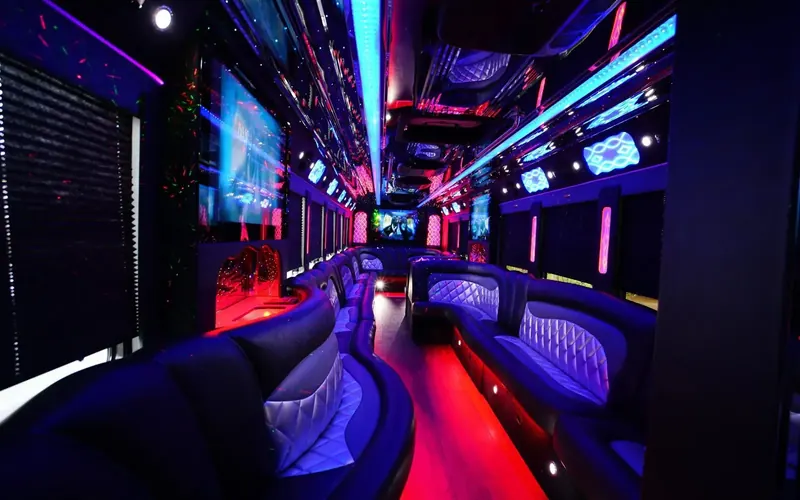
For a larger welcome party, a wedding party bus or a shuttle bus and mini coach can move a crowd between the hotel and the venue in one run. Rolls-Royce, Bentley, vintage, classic and electric cars are not part of our listed fleet, but availability can be confirmed on request if that is the look you want for a photo moment. Whatever you choose, the exact vehicle is confirmed on the quote, so there is no surprise at the curb.
Every quote we write is itemized before booking, covering vehicles, hours, gratuity, tolls, parking, décor requests, deposit and cancellation terms. Nothing is booked until you accept it, which gives you time to compare options and ask questions. Red carpet, "Just Married" signs and other touches are arranged when booked and written on the quote, never assumed. When you are ready to see the numbers for your welcome party, get a free wedding quote and we will put the plan in writing.