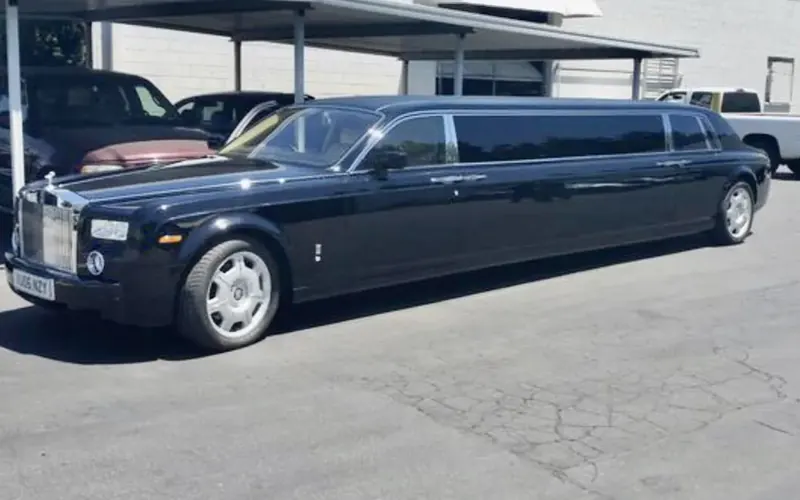
Eco-friendly wedding transportation starts with a simple question: can the cars that carry you, your wedding party and your guests produce less tailpipe exhaust on the day? In Washington DC, Northern Virginia and Maryland, the answer increasingly depends on what is available on your date. Electric and hybrid wedding cars are a real option, but they are arranged on request rather than assumed, so it helps to know what to ask before you book.
This post explains how electric and hybrid vehicles fit into a wedding day, where they work well in the DC area and where they do not, and how to compare them with the rest of the fleet. You will also find questions to put to any transportation company, notes on charging and range, and a practical way to build a greener plan without giving up the logistics your day needs.
Key takeaways
- Electric and hybrid wedding cars are arranged on request; availability depends on your date and route.
- Battery range matters most on multi-stop days with photo tours and distant venues.
- A hybrid sedan or SUV often suits parents and VIP guests with little planning.
- Guest shuttles usually have the largest fuel use, so greening them has the biggest effect.
- Ask for the vehicle type, charging plan and written details before you accept a quote.
What eco-friendly wedding transportation actually means
Eco-friendly wedding transportation is less about a label and more about three practical things: what kind of vehicle carries you, how the day's trips are planned, and how much time engines spend idling. A well-planned route in a conventional car can produce less exhaust than a poorly planned one in a hybrid, because unnecessary miles and long waits at the curb are where fuel quietly disappears.
Vehicle type matters most when it reduces fuel burned per person. A shuttle that carries a full guest list in one trip usually does more for the day's footprint than a single electric sedan, simply because it replaces many separate car journeys. The Limo vs Party Bus vs Sprinter Van: Which Is Best for Your Wedding? post walks through how capacity and role shape that decision.
Trip planning is the part couples control most directly. Grouping pickups, choosing a photo tour that loops rather than zigzags, and timing arrivals so chauffeurs are not parked with engines running all cut fuel use without changing how the day feels. Ask any company how they build the route and whether waiting time is planned rather than improvised.
Reduced idling also counts. On a DC wedding day, cars often sit outside churches on Capitol Hill, hotels in Georgetown or venues along the Wharf while photos happen. A written run sheet with realistic timings keeps those pauses short, and it is one of the simplest green choices available to you.
Electric and hybrid cars and where they fit
A fully electric vehicle runs on a battery alone and produces no tailpipe emissions while driving. Its range depends on the model, the weather and how much stop-and-go the day involves, and it needs a charging plan if the schedule runs long. In wedding use, electric cars suit shorter, well-defined roles: the couple's car, the getaway car, or a sedan for parents and VIP guests.
A hybrid pairs a gasoline engine with electric assistance, so it burns less fuel in city traffic and never needs to be charged from a plug. Hybrids fit almost any wedding role, including longer days across Northern Virginia or into Maryland wine country, because refueling is as easy as it is for any other car. Plug-in hybrids sit between the two, running on battery for shorter stretches and on fuel afterward.
Neither type is automatically part of every fleet, and availability varies by date and by company. Rolls-Royce, Bentley, vintage, classic and electric cars are confirmed on request rather than assumed, so treat an electric or hybrid request as something to raise early in the conversation. If a specific model matters to you, say so when you first ask about the date.
It also helps to be clear about what you are asking for. A hybrid SUV stretch and a battery-electric sedan are very different vehicles with different capacities and different planning needs. Describe the role you need filled, the number of passengers and the route, and let the company tell you what can be arranged for your date.
Matching the vehicle to the wedding role
Availability is confirmed on the quote, and the exact vehicle is named there rather than promised in conversation. If a particular electric model is central to your plan, ask whether it can be held for your date before you build the rest of the schedule around it. For a broader look at how sedans and SUVs serve parents and VIP guests, see our luxury sedan and SUV wedding service.
| Wedding role | Likely electric or hybrid option | What to confirm |
|---|---|---|
| Couple's arrival and ceremony car | Electric sedan or hybrid luxury sedan | Range for the full morning, charging plan, exact model on request |
| Getaway car | Electric sedan or hybrid SUV | Battery level at the end of the reception, luggage space |
| Parents and grandparents | Hybrid sedan or SUV | Easy entry, step height, door-to-door timing |
| Wedding party in one vehicle | Hybrid SUV or plug-in hybrid van | Seat count, gown-friendly entry, photo stop timings |
| Photo tour | Hybrid SUV or electric car | Route length, charging stops, how long the car waits |
| Guest shuttle | Hybrid or electric shuttle where available | Number of trips, pickup windows, capacity per run |
| Multi-stop day across the region | Hybrid or plug-in hybrid | Total mileage, refueling or charging points, buffer time |
How range and charging shape a DC wedding day
Distances in the DC area are short on paper and longer in practice. A ceremony in Georgetown, photos on Capitol Hill and a reception in Arlington can add up to a modest number of miles, but traffic on the bridges over the Potomac and the time spent waiting at each stop are what stretch a car's day. Most local weddings stay well within the range of a modern electric vehicle, provided the route is planned.
The picture changes when you head outward. A wedding in Loudoun County wine country, a reception near Annapolis or a venue in Southern Maryland can mean highway miles in each direction. A hybrid handles that without a second thought, while a fully electric car needs a charging plan and a realistic buffer in the schedule. Ask how charging time would fit around photos and the ceremony.
Charging infrastructure around the region is good in and near the District and along major corridors, and thinner in rural areas. That matters less for a hybrid and more for a battery-electric vehicle on a long day. If your plan includes a venue well outside the Beltway, say so early so the vehicle choice matches the geography rather than fighting it.
Multi-stop days need the most planning. Each additional pickup or photo location adds time, and time is what an electric car has least of if it has not been charged. A written run sheet with realistic buffers, shared with your planner or a named contact, keeps the day moving and lets the chauffeur stay in touch if a stop runs long.
The biggest fuel savings often come from the shuttle
One electric sedan carrying two people is a nice gesture, but it is not where most of the fuel goes. The real consumption on a wedding day sits with the vehicles that make repeated trips: the guest shuttle between hotel and venue, the party bus running the reception loop, the coach that moves a hundred people in three loads instead of thirty cars.
A full shuttle bus replaces a long line of individual cars, each making the same trip twice. In a region like Washington DC, where a hotel-to-venue run can mean crossing the Potomac or threading through downtown, that consolidation matters more than the engine type of any single car. Fewer vehicles also means less circling for parking near venues in Georgetown, Capitol Hill or Old Town Alexandria.
This is why our wedding guest shuttle and hotel to venue shuttle planning usually begins with the guest list and the venue's parking situation, not the vehicle's fuel type. Fill the seats you have before you worry about what powers them.
Questions to ask before you book an electric or hybrid car
Electric and hybrid wedding cars are arranged on request, so the conversation you have before booking does most of the work. Ask these questions in writing and keep the answers with your quote.
- What exactly is the vehicle? Ask for the make, model and whether it is fully electric, plug-in hybrid or a standard hybrid, since each behaves differently on a long wedding day.
- What is the realistic range on the day? Ask for the usable range with a full charge or tank, allowing for air conditioning, heating and stop-start city driving.
- Where and when will it charge? Confirm whether charging happens between trips, who arranges it and whether it affects your booked hours or the run sheet.
- What is the backup plan? Ask what vehicle is sent if the electric car is unavailable, low on charge or delayed, and get that in writing.
- How do tolls, parking and gratuity work? These should appear as separate lines on the quote so you can compare plans honestly rather than guessing at a total.
- What are the deposit and cancellation terms? Read them before you sign, especially if your date falls in a busy season when vehicles are held for you.
- Who is our contact on the day? Confirm the name and number of the person your planner or family member will reach if plans shift.
- Is the green claim specific? A written answer about the actual vehicle beats a general sustainability statement that could apply to any booking.
Where green choices fit your other wedding plans
Transportation touches more of the wedding weekend than the trip to the ceremony. These are the moments where an electric or hybrid vehicle, requested in advance, tends to fit naturally.
Photo tours around the city
A wedding photo tour often covers short hops between the Lincoln Memorial, the Tidal Basin, Union Station and a neighborhood or two. Those are short distances with plenty of stopping, which suits an electric car's quiet cabin and low-speed efficiency. Confirm the route and timing on the run sheet so charging never competes with a sunset slot.
Church and ceremony transfers
A church wedding usually means a tight window between the ceremony and the reception. An electric or hybrid car can handle a single transfer comfortably, but ask about range against the full day, not just that one leg. If the church sits in downtown DC with limited curb space, a compact sedan is also easier to place.
Guest shuttles and the reception run
The hotel to venue shuttle is where consolidation pays off, as covered above. Ask whether hybrid or electric coaches are available for your date and how the operator handles charging or refueling between loops. The written run sheet should show each departure time and the vehicle assigned to it.
Multi-vehicle plans
A multi-vehicle plan lets you put an electric or hybrid car where it does the most good and keep the larger vehicles for the high-occupancy runs. Ask for the whole plan on one itemized quote so you can see the trade-offs.
Parents and VIP guests
A luxury sedan or SUV is often the right choice for parents, grandparents and honored guests who want a quiet, comfortable ride. Hybrid sedans are common in this class, so ask what is available on your date. Confirm seating, entry height and the exact vehicle on the quote.
The getaway at the end of the night
Your getaway car makes one late trip, often after dark and often to a hotel. An electric car handles that easily if it has charge left, but confirm the plan for the end of the evening. Ask who checks the charge and what happens if the schedule runs long.
Building an eco-friendly transportation plan and getting a quote
A greener plan is mostly a planning discipline: fewer vehicles, fuller seats, sensible routes and clear written terms. Work through these steps in order and the environmental question answers itself alongside the practical one.
- Count the people firstList who needs a ride, from the couple to the last out-of-town guest, before you think about vehicle types or fuel.
- Start with the shuttleIf guests are staying in one or two hotels, a consolidated shuttle usually does more than any single car choice.
- Assign roles to vehiclesDecide which vehicle carries the couple, the wedding party, parents and guests, then match each role to a size.
- Ask what is electric or hybridRequest electric and hybrid options for the roles where they fit, and accept that availability is confirmed on request.
- Write the run sheetEvery wedding gets one written run sheet shared with you or your planner, with times, addresses and the named contact for the day.
- Review the itemized quoteVehicles, hours, gratuity, tolls, parking, décor requests and deposit terms should all appear as separate lines before anything is booked.
- Request your quoteSend your date, venues and guest numbers through our free wedding quote page and we will put the plan in writing for you to review.