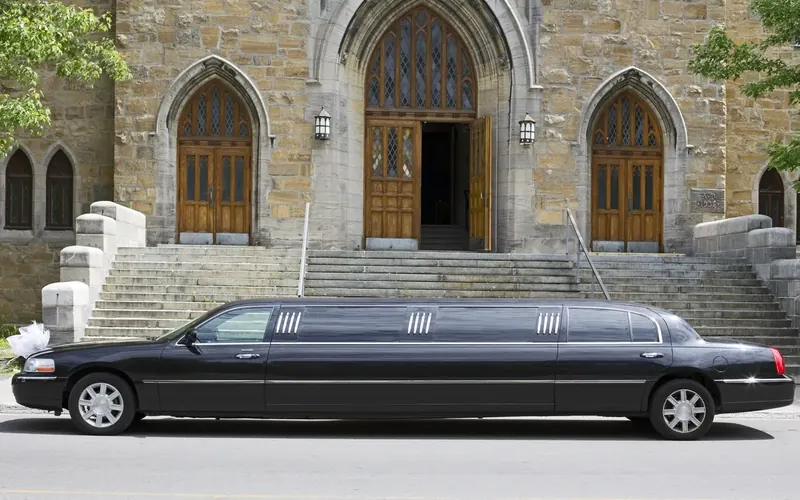
A wedding limo contract checklist is the fastest way to catch the details that cause friction later, from overtime rates to who pays for parking. Before you sign, you want the vehicle, the hours, the extras and the cancellation terms written down in plain language. This post walks through 15 things to confirm so your contract matches what you agreed in conversation.
We write every quote as an itemized document before anything is booked, and nothing is reserved until you accept it. That habit shapes this checklist. You will find the questions to ask about the vehicle, the run sheet, gratuity, alcohol rules and weather plans, plus how to compare two quotes fairly. Read it next to our complete guide to wedding transportation in Washington DC so the contract sits inside a wider plan.
Key takeaways
- Confirm the exact vehicle make and model, not just a category or seat count.
- Get pickup times, addresses and the full run sheet written into the agreement.
- Check how overtime, gratuity, tolls, parking and décor appear on the quote.
- Read the deposit and cancellation terms before any money changes hands.
- Ask who the chauffeur contacts on the day and how changes are handled.
Why the contract matters more than the sales call
A sales call is a conversation. A contract is a record. When you are planning a wedding across Washington DC, Northern Virginia or Maryland, plans shift: a ceremony runs long, a photo stop takes extra time, a guest count changes. The written quote and agreement are what you and the company point to when those shifts happen. If it is not on paper, it is not part of the deal.
The contract should repeat what you discussed in plain language: the vehicle, the hours, the pickup locations, the extras and the money terms. Read it as if you are a stranger to the conversation. If a detail you agreed to is missing, ask for it in writing before you sign. This is the moment to correct a wrong address or a missing stop, not the week of the wedding.
A clear contract also protects the company's ability to deliver what you expect. When the vehicle, timing and extras are written down, the chauffeur and office team work from the same plan you approved. That is why we write every quote as an itemized document and book nothing until you accept it. The signature is the point where the plan becomes the plan. For the wider planning picture, start with the complete guide to wedding transportation in Washington DC.
Your wedding limo contract checklist: vehicle and capacity details
Start with the vehicle itself. A contract that says “limousine” is not specific enough. You want the make, model or class written on the quote, along with the passenger count it is booked for. The exact vehicle is confirmed on the quote, so check that the name matches what you pictured.
The exact vehicle, not just a category
Your contract should name the vehicle or class you are booking, such as a stretch limousine, an Escalade limo, an SUV stretch limo, a Sprinter limo van, a party bus or a shuttle bus. If you are expecting a specific car, ask for it in writing. Rolls-Royce, Bentley, vintage, classic and electric cars are not in our standard fleet list; availability is confirmed on request. Get that confirmation on the quote before you sign.
Real passenger count with gowns and bags
Seat ranges are typical, not absolute. A vehicle that holds eight to ten guests in everyday clothes may feel tight with a bridal gown, suits, bags and a photographer's equipment. Tell the company who is riding and what they are carrying. The contract should show the passenger count you agreed to. If your count grows, ask for an updated quote rather than assuming there is room.
Décor and red carpet as paid line items
Red carpet, “Just Married” signs and similar touches are arranged when booked and written on the quote. They are never free or included by default. If you want them, confirm they appear as line items with a description. If they are not on the quote, do not expect them on the day. This is one of the most common gaps between what couples remember from a call and what the contract actually says.
Alcohol policy in writing
Alcohol is only for guests 21 and older and only where the vehicle and DC, Virginia or Maryland law allow it. The policy belongs on the quote, not in a verbal aside. Read it and confirm it matches your plans. If you are planning a toast or drinks in the vehicle, ask how the company handles it and get the answer in writing. Rules vary by jurisdiction, so confirm with the official source if you are unsure.
Accessibility and entry needs
A gown, heels, a cane or a wheelchair changes how someone gets into a vehicle. Tell the company about any accessibility needs before the contract is written. A Sprinter limo van, for example, offers easy entry and standing room, which suits some guests better than a low stretch limousine. The contract should reflect the vehicle chosen for those needs, not a substitute confirmed later.
Photo and luggage space
If your photographer or videographer is riding along, or if you need room for bags, flowers or a dress bag, say so. Space for people and space for gear are different things. The contract should note any special cargo or extra stops tied to photos. This is also the moment to decide whether a separate vehicle is needed for the photo tour or the wedding party.
Hours, timing and the run sheet
Time is where most contract disputes begin. Confirm when the clock starts and stops, what happens if you run late, and how the day's movements are written down. A written run sheet is the document your chauffeur and planner work from, so it should match the contract exactly.
Start and end times
The contract should state the service start and end times, not just the number of hours. Ask whether the clock starts at the first pickup or when the vehicle arrives at the garage. Confirm the final drop-off location and time. If your reception ends at a certain hour, check that the booking covers the full run back, including loading guests and gifts.
Overtime rate and how it is charged
Ask what happens if the ceremony or photos run long. The overtime rate and how it is billed should be on the quote. Confirm whether overtime is charged in increments and who authorizes it on the day. A written overtime term protects both sides. If you think you may need extra time, ask about adding it before the wedding rather than deciding in the moment.
Buffer for photos and traffic
DC traffic, bridge crossings and photo stops take time. The contract should show the buffer you agreed to between events. If you are planning a photo tour around the National Mall or a stop at a landmark, tell the company so the hours reflect it. A realistic buffer is cheaper than overtime. Ask how the company builds travel time into the run sheet for your route.
The written run sheet
Every wedding gets one written run sheet shared with the couple or their planner. It should list pickups, addresses, times and the order of stops. Read it against your contract and your vendor timeline. If a location is wrong or a stop is missing, correct it before the wedding. The run sheet is the day-of document, so it needs to be right.
The named day-of contact
On the day, the chauffeur stays in touch with the planner or a named contact. The contract should identify who that person is. If your planner is handling the schedule, say so. If a family member is the contact, give their name and number. A single point of contact prevents conflicting instructions and keeps the run sheet in charge.
Multiple vehicles and coordination
If you are booking more than one vehicle, the contract should show each vehicle, its passengers and its route. Multi-vehicle weddings need one coordinated plan, not separate agreements that do not talk to each other. Confirm who is responsible for keeping the vehicles in sequence. Ask for the combined run sheet in writing so every chauffeur works from the same schedule.
What your wedding limo quote should itemize
A useful quote is a list, not a lump sum. Each charge should have a label and a short description so you can compare two quotes fairly. If a line is vague, ask for it to be clarified before you sign.
Use the table below as a checklist. It shows the line items to look for and what each one should say. Your quote may use different wording, but the substance should be there. When you are ready to see how this looks on paper, you can request a free wedding quote and read every line before you decide.
| Line item | What it should say | Why it matters |
|---|---|---|
| Vehicle and date | The vehicle class or name, the wedding date and the service window | Confirms what you are booking and when |
| Hours of service | Start and end times, plus any minimum hours | Prevents confusion about when the clock runs |
| Pickup and drop-off locations | Full addresses for each stop, including venues and hotels | Catches wrong addresses before the day |
| Gratuity | Whether gratuity is included and how it is calculated | Avoids a surprise on the final bill |
| Tolls and parking | Who pays and how these are estimated or billed | Common source of after-the-fact charges |
| Décor and extras | Red carpet, signs and other requests as separate lines | Confirms what is actually included |
| Deposit and cancellation terms | The deposit amount and the cancellation schedule in plain language | Protects you if plans change |
| Alcohol policy | The rules for your vehicle and jurisdiction | Sets expectations for guests |
Money terms to read twice
Money is where a friendly conversation and a signed contract most often drift apart. Three items deserve a slow read: what you pay and when, what happens if plans change, and how the small charges are handled. Ask for each one in writing rather than accepting a verbal explanation.
A written, itemized quote makes these terms easy to compare side by side. If a number is missing, that is your signal to ask before signing, not after.
Deposit and balance dates
Confirm how much holds the date, when it is due, and when the remaining balance is payable. Check whether the deposit is applied to the total and what form of payment is accepted. Ask for the dates in writing on the quote so nobody is relying on memory in the busy weeks before the wedding.
Cancellation and reschedule terms
Read what happens if the wedding is called off or moved to a new date, and how far ahead you must tell the company. Ask whether a reschedule keeps the same vehicle and rate or starts a new booking. Get the answer in writing, since these terms are the ones couples most often misremember later.
Gratuity, tolls and parking
Ask whether gratuity is a line on the quote or paid on the day, and how it is calculated. Confirm how tolls and parking are billed, especially for DC venues with garages or for routes that cross a bridge. Each should appear as its own item so the final bill matches the quote.
Overtime and extra hours
Find the rate for time beyond the booked window and how it is charged, by the hour or in blocks. Ask who authorizes overtime on the day, since your planner or a named contact may be the one making the call. Written overtime terms protect you when photos run long or the send-off slips.
What the quote leaves out
Read for what is not listed as carefully as what is. Décor requests, red carpet, signs and similar touches are arranged when booked and written on the quote, so anything absent is not included. If you expect it on the day, ask for it to appear as a line before you sign.
Questions to ask before you sign
By the time a contract reaches you, most of the big decisions are made. These questions are the final pass, the ones whose answers should sit in the document rather than in an email thread. Ask them directly and note where each answer appears in the paperwork.
If a company cannot point to the clause, treat it as unsettled. A short delay now is easier than a disagreement on the morning of the wedding.
- Which exact vehicle is reserved for our date, and what is the backup if it is unavailable?
- What are the start and end times on the contract, including any minimum booking window?
- Is the run sheet attached, and who confirms the final version with us or our planner?
- How are gratuity, tolls and parking shown on the quote, and when are they paid?
- What is the cancellation and reschedule policy, and what dates apply to each?
- What is the overtime rate, and who is allowed to authorize extra time on the day?
- Which décor, signage or red carpet items are written on the quote, and which are not?
- What is the alcohol policy for our guests, and where is it written in the contract?
Weather, changes and the day itself
No contract controls the weather, but it can set out how changes are handled. Rain plans, a shifted first look, and a photo stop that takes longer than expected all touch the transportation schedule. The contract should say who decides, who is told, and how a change is confirmed.
The same applies to communication on the day. A single named contact and a written run sheet keep decisions quick when something moves.
Rain and weather contingencies
Ask how the plan changes if it rains, especially for photo stops and outdoor ceremonies. Confirm whether the chauffeur waits at a covered entrance and who makes the call to skip a stop. Put the rain plan in the run sheet so the wedding party knows where to be and when.
Changes during the day
Confirm who can change the route or timing on the day: you, a parent, or your planner. Ask how a change is logged and whether it affects the final bill. A named contact with authority keeps small adjustments from turning into confusion in the middle of photos.
Staying in touch with your planner
On the day, the chauffeur stays in touch with your planner or a named contact rather than calling the couple. Confirm who that person is and that their number is on the run sheet. Ask how the chauffeur reaches them if a signal drops at a venue or in a garage.
Alcohol rules on the day
Alcohol is only for guests 21 and older and only where the vehicle and DC, Virginia or Maryland law allow it. The policy belongs on the quote, so read it before you plan any drinks in the car. If you have questions, ask before signing rather than on the ride.
The written run sheet
Every wedding gets one written run sheet shared with the couple or their planner, and it should match the contract times and addresses. Read it against the contract before the wedding and flag anything that differs. It is the document the chauffeur and your planner will actually work from.
Plan your transportation before you compare contracts
A contract is only as good as the plan behind it. Before you request quotes, work out how many hours you need, who rides in which vehicle, and when the wedding party must leave each location. Our post on how many hours to book a wedding limo and the transportation timeline template give you a starting structure. With those answers in hand, every quote you receive describes the same job.
Set the budget next, so you compare quotes against a number rather than against each other. Our guide to the wedding transportation budget and the DC wedding limo price guide explain what drives cost, from hours to vehicle size. Then look at the wedding fleet and our seating plans for every wedding vehicle to match guests to the right car.
When you are ready, request a free wedding quote and read it as a checklist: vehicle, hours, gratuity, tolls, parking, décor, deposit and cancellation terms. Nothing is booked until you accept it, so you can ask questions and compare line by line. If a term is unclear, ask for it in writing before you sign.