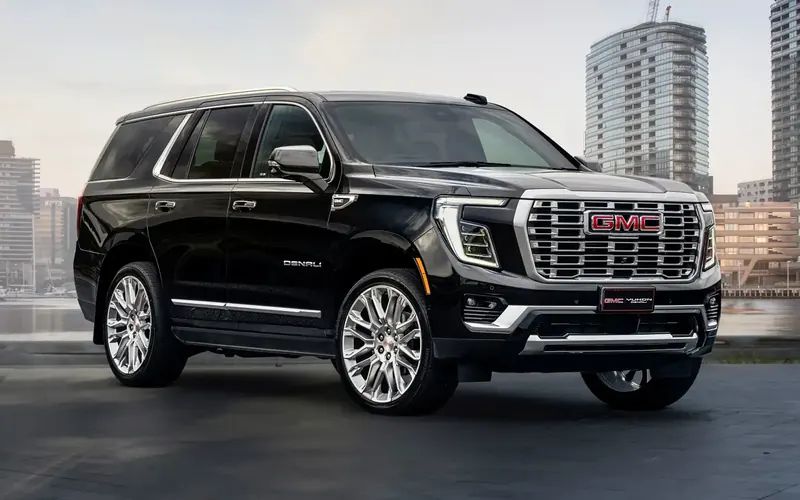
If your wedding limo is late, the first thing to know is that most lateness is predictable, and predictable problems can be planned around. Traffic on the bridges, a ceremony that runs long, a photo stop that stretches, or a pickup address that was never quite clear: these are the usual causes. A good transportation plan builds in buffers and a way to talk to each other when the day shifts.
This post covers what actually happens when a vehicle runs behind, how the run sheet and your planner keep everyone informed, and where the realistic buffers belong in a Washington DC, Virginia or Maryland wedding day. It is written for couples and planners who want to understand the mechanics rather than hope for the best. We will also be plain about what any transportation company can and cannot control.
Key takeaways
- Most limo delays come from traffic, long ceremonies and unclear pickup details, not from the vehicle itself.
- A written run sheet shared with your planner is the single best tool for catching a delay early.
- Build buffers at the pickup, not at the ceremony, so late starts do not ripple through the day.
- Ask what the chauffeur does if the schedule slips, and who they call first.
- Confirm addresses, entry points and gate codes before the wedding day, not during it.
What a Late Wedding Limo Actually Affects
A vehicle running behind rarely affects the ceremony first. The earliest casualty is usually the photo tour, because it sits at the front of the day with the least slack around it. If the car reaches the getting-ready hotel twenty minutes late, those twenty minutes come out of the portrait session at the Lincoln Memorial or the Capitol, not out of the vows.
The second thing affected is often the guest shuttle. A shuttle that starts its loop late tends to stay late for the rest of the afternoon, and the gap shows up as a cluster of guests arriving at once. Couples notice this most at hotel-to-venue runs, where one late departure can ripple through two or three pickups.
The ceremony itself is usually protected by whatever buffer you built between the last arrival and the processional. That is why the buffer belongs in the plan rather than in hope. When the schedule has a real margin, a late car costs you photos or a calm moment, not the start of the ceremony.
It helps to separate the day into parts that can absorb a delay and parts that cannot. Photos, touch-ups and the drive to the venue can flex. The processional, a church start time and a seated dinner generally cannot. Knowing which is which before the morning begins is most of the work.
The Common Reasons a Wedding Limo Runs Behind
Most lateness comes from a short list of causes, and nearly all of them are visible in advance if someone is watching for them. Here are the ones that come up most often on wedding days in the DC area.
- Bridge and tunnel traffic. Crossing the Potomac or the Anacostia at the wrong hour can add real time, especially when a ballgame, a demonstration or a road closure lands on the same afternoon.
- A ceremony that runs long. A homily, a second reading or a receiving line can push the exit past the planned time, and the car waiting outside simply waits longer.
- Photos running over. Golden hour, a favorite spot or a large family group can stretch a fifteen-minute stop into forty, and every later stop shifts with it.
- Unclear pickup spots. A hotel with several entrances, a venue with a service drive or a church without a marked loading zone can cost time while the chauffeur and the party find each other.
- Guests arriving late to a shuttle. One group still finishing lunch or hunting for a room number can hold a full shuttle past its departure.
- A late start at the getting-ready suite. Hair and makeup running behind pushes the first pickup, and the car sits idle at the hotel instead of moving.
- A change nobody wrote down. A planner moves the first look, or a parent decides to ride along, and the run sheet no longer matches the day.
How the Run Sheet Keeps the Day on Track
Every wedding we handle gets one written run sheet, and that single document is the spine of the day. It lists each pickup and drop-off, the address, the time, who is riding, which vehicle, and the name and phone number of the person the chauffeur calls if something shifts. It is shared with the couple or their planner before the wedding, so everyone is reading the same schedule.
On the day, the chauffeur stays in touch with the planner or a named contact rather than working from memory. If a ceremony runs long, the planner tells the chauffeur, and the next leg is adjusted on the spot. That sounds simple, and it is, but it only works when the contact is named in advance and knows they are the one making the call.
The run sheet also does quiet work before the wedding. Writing it forces the unclear pickup spots into the open, and it surfaces the tight transitions while there is still time to loosen them. If two legs are scheduled back to back with no room between, that shows up on paper weeks ahead rather than at four in the afternoon on the day.
We keep the run sheet in one place and resist the urge to run the day from group texts and screenshots. A single source means the planner, the couple and the chauffeur are never working from different versions of the schedule. You can read more about how we work on our about page.
Where to Build Buffers Into the Schedule
Buffers are not padding sprinkled evenly across the day. They belong at the transitions where a delay is likely and recoverable, and they should stay out of the places where waiting only creates new problems. The table below is a plain-language guide to where slack helps and where it does not.
Treat these as starting points to discuss with your planner, not fixed rules. The right margins depend on your route, the time of day and how many vehicles are involved. A planner who knows your venues can tighten or widen each one.
| Segment | Where slack helps | Where it does not |
|---|---|---|
| Getting-ready pickup | A little room so hair and makeup finishing late does not push the first photo stop. | Do not schedule the car so early that it idles for an hour; that time is better spent on photos. |
| Photo tour | Build in a cushion before the drive to the ceremony so a favorite stop can run over. | Do not leave the tour so loose that the party arrives at the venue with nothing to do but wait. |
| Ceremony to reception | Allow for the receiving line, guest greetings and loading the party into vehicles. | Do not pad the drive itself if the venues are close; the delay usually comes from people, not roads. |
| Guest shuttle loop | Add a few minutes to each loop so one slow pickup does not compound across the afternoon. | Do not stretch the loop so far that guests wait at the hotel for a shuttle that could have run sooner. |
| Reception to getaway | Keep a small margin so the exit is calm and the car is ready when you are. | Do not build a long gap; a getaway car waiting in view of guests undercuts the moment. |
What to Do in the Moment If a Vehicle Is Behind
When a delay is spotted, the response should follow a known order rather than a scramble. The chauffeur calls the named contact, the planner adjusts the sequence, and the couple keeps getting ready. Here is the sequence we work to, and the one you should expect from any company you book.
- The chauffeur calls the contactThe named planner or family point person hears first, with a realistic read on the gap.
- The contact tells the couple only what they needMost delays are absorbed without reaching the bride.
- The planner reorders the schedulePhotos may shrink, the first look may move, or a stop may be dropped.
- The venue and photographer hear nextA photographer who knows the car is behind can shoot details or family groupings.
- The ceremony start time is protectedIf anything gives, it is the pre-ceremony schedule, not the walk down the aisle.
- The next leg is recalculatedThe chauffeur and planner agree the new departure time on the phone.
- Everything is written downChanges go onto the run sheet so everyone works from the same version.
Questions to Ask Before You Book
The best time to sort out how a delay would be handled is before you sign anything. These questions are fair to ask any company, and the answers should be specific rather than reassuring. If an answer is vague, ask for it in writing on the quote.
- Who is our contact on the day? You want a name and phone number, plus a clear rule on who calls whom.
- What does the run sheet include? It should list every pickup, address, time and contact, not just a start and end time.
- How much buffer is built into the quote? Ask whether travel time comes from a map estimate or from experience with your route and hour.
- What happens if the ceremony runs long? Confirm how extra time is billed and whether the vehicle waits.
- What are the cancellation and deposit terms? These belong on the written quote. Read them before you pay anything.
- Are décor and extras itemized? Red carpet, signs and similar touches should appear as line items, not surprises.
- Is the exact vehicle confirmed? The quote should name the vehicle or its class.
- What is the alcohol policy? Ask how it applies across DC, Virginia or Maryland lines, and get it on the quote.
When the Delay Is Not the Vehicle
Plenty of late departures have nothing to do with the car. Hair and makeup often run long, especially with a larger bridal party sharing one artist or one suite. Build the beauty timeline backward from the departure time, not forward from the start of the morning.
The dress is the other quiet culprit. A gown that takes three people to get into, a bustle that needs learning, or a veil that will not sit right can eat a buffer without anyone noticing. A trial run of the full get-ready sequence is worth the time; our guide to getting in and out of a limo gracefully in a wedding dress covers the practical side.
Family photos are the third. Once grandparents, siblings and cousins are gathered, a ten-minute request becomes thirty. This is where a planner or named point person earns their keep: someone who can call the photo list and make the hard call to stop. Without a planner, choose a decisive friend or family member and give them that authority in advance.
Planning the Transportation With Realistic Margins
A transportation plan that holds up is built on margins, not optimism. That means travel times that reflect the actual route at the actual hour, plus a cushion for loading a bridal party in formalwear. It also means deciding in advance which parts of the day can flex and which cannot. The traffic planning guide for DC wedding days is a useful place to start mapping those margins.
Communication is the other half. One written run sheet, shared with the couple or the planner, gives everyone the same version of the day. On the day itself, the chauffeur stays in touch with the planner or a named contact, so a change reaches the right person quickly. That structure is how we work, and you can read more about DC Wedding Limo and how we handle wedding-day logistics.
None of this removes the possibility of a delay. Bridges back up, ceremonies run long, and a photo stop can stretch. What a realistic plan does is make a delay manageable, with buffers to absorb it and a contact to coordinate the response. If you are ready to build that plan, request a free wedding quote and we will put the vehicles, hours, gratuity, tolls, parking and terms in writing before anything is booked.