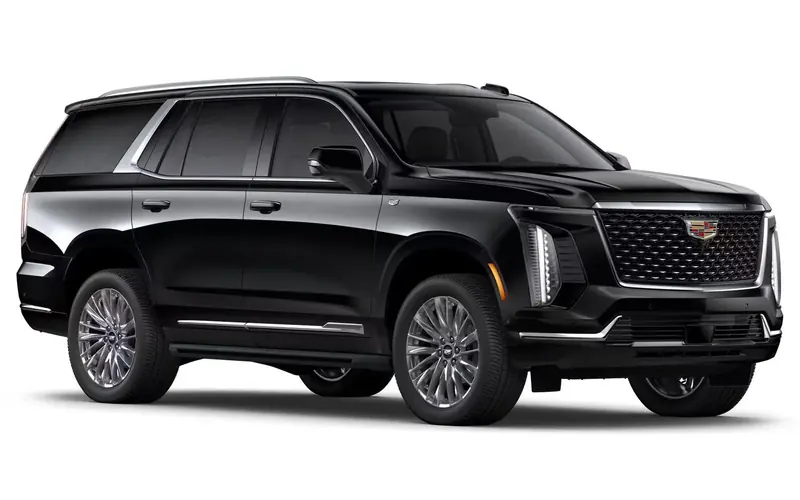
Knowing how much to tip your wedding chauffeur is one of those small decisions that gets postponed until the last week, when you are already juggling seating charts and final headcounts. The short answer is that tipping is a courtesy, not a rule, and common etiquette gives you a comfortable range rather than a fixed number. What matters most is deciding early, in writing, so nobody is hunting for cash on the morning of the wedding.
This post covers who on a wedding transportation team you might tip, when the tip is usually handed over, and how to work out an amount that reflects the service and the length of the day. We also explain how gratuity is handled on a written, itemized quote, and how to plan the whole transportation day so the tipping question is settled long before the first pickup.
Key takeaways
- Tipping is a courtesy, not an obligation, and common etiquette gives a range rather than a fixed number.
- Check your written quote first, since gratuity may already be listed as a line item.
- A chauffeur who spends a long day on multiple runs usually receives more than one on a single transfer.
- Hand tips to the chauffeur directly, ideally through the planner or a named contact.
- Decide the amounts before the wedding day so no one is searching for cash at pickup.
What common tipping etiquette actually says
Tipping a wedding chauffeur is a discretionary gesture, not a legal requirement. Customs differ by region, by family, and by the length and style of the service, so you will hear different numbers from different people. That is why a range is more useful than a single rule: it gives you room to weigh the day you actually had against your budget.
In the Washington DC area, many couples treat the chauffeur like other service professionals on the wedding day, offering a tip that reflects care, punctuality and a calm presence. Others fold gratuity into the transportation budget from the start. Neither approach is wrong. What matters is that you decide before the wedding, so the question does not surface in the middle of photos or the reception run.
Etiquette also distinguishes between a tip and a service charge. A service charge is a line on a contract; a tip is a personal thank-you. If your written quote already includes gratuity, adding more is optional. If it does not, a tip is a thoughtful way to close out the day. The key is to read your paperwork first, then choose an amount that feels right for you. For the wider timing picture, our guide to DC wedding day traffic and road closures is worth reading alongside this one.
How much to tip your wedding chauffeur
The table below shows common etiquette ranges by type of service. These are customs, not requirements, and they are not prices from any company. Use them as a starting point, then adjust for the length of your day, the number of stops and the level of care you received.
If you are unsure, many couples find it simpler to choose a flat amount per chauffeur rather than a percentage. A flat amount is easy to put in an envelope and easy to divide when more than one driver is involved. The right number is the one you can give comfortably and deliberately.
| Type of service | Typical etiquette range | Notes |
|---|---|---|
| Couple's car for the ceremony and reception | 15–20% of the transportation line | Common when gratuity is not already included |
| Full-day wedding party vehicle | 15–20% of the transportation line | Adjust for long days with many stops |
| Guest shuttle or mini coach | 10–15% of the shuttle line | Often split among drivers if more than one |
| Getaway car (short, single trip) | 10–15% of the trip line | A flat amount is also common |
| Photo tour or multi-stop route | 15–20% of the transportation line | Reflects extra time and coordination |
| Additional chauffeur on a multi-vehicle booking | Flat amount per driver | Keeps the split simple and fair |
| Rehearsal dinner or welcome event transport | 10–15% of the transportation line | Shorter service than the wedding day |
Who else on the transportation team might be tipped
On a multi-vehicle booking, more than one chauffeur may serve you during the day. It is common to tip each driver individually, or to give a single envelope to the lead chauffeur with a note asking that it be shared. If a shuttle driver handles several hotel runs, a separate thank-you is a kind gesture, especially if they kept guests informed and on schedule.
- Lead chauffeurThe person who drives the couple or coordinates the run sheet; often the main tip recipient.
- Additional chauffeursDrivers of other vehicles in a multi-vehicle booking; a flat amount per driver is common.
- Shuttle driversDrivers on guest shuttle or hotel-to-venue routes; tip separately if they are not part of the main team.
- Photo tour driverIf a different chauffeur handles the photo tour, a tip that reflects the extra stops is thoughtful.
- Getaway car driverA short, single trip may call for a smaller flat amount rather than a percentage.
- Rehearsal dinner driverA separate service on a different day; treat it as its own tip decision.
- Wedding planner or coordinatorThey handle their own gratuity arrangements; you do not need to tip them through the transportation team.
Check your quote before you tip
Every quote we write is itemized before booking, and it states whether gratuity is included. That line is the first thing to check before you set aside cash. If gratuity is already on the quote, you can treat any additional amount as optional. If it is not, you can plan a tip that fits your budget and your gratitude.
Reading the quote also helps you see what else is covered, such as tolls, parking and any décor requests. Those lines matter because they affect the total you are tipping against. If you have questions about how gratuity is handled, ask before you accept the quote. It is easier to adjust a written quote than to sort it out on the wedding morning.
If your plans change, ask for a revised quote rather than guessing. A written, itemized quote keeps everyone on the same page, and it gives you a clear record of what has been paid and what remains a courtesy. That clarity is the whole point of putting the tipping decision in writing early.
When and how to hand over a tip
Most couples settle the tipping question in the last week or two before the wedding, then hand over envelopes on the day itself. The sequence below is the common pattern, and it keeps cash from becoming a last-minute scramble between the ceremony and the reception. It also helps to know how the day will flow, which is why our guide to DC wedding day traffic and road closures is worth reading before you finalize the schedule.
- Decide amounts in advanceAgree on a figure for each person or team a week or two before the wedding, once the final schedule and vehicle count are fixed.
- Prepare labeled envelopesWrite each recipient's name or role on the envelope so a planner, parent or friend can hand them out without asking who gets what.
- Ask who will hold themGive the envelopes to your planner or a named contact in the morning, so you are not carrying cash in a gown or tuxedo pocket.
- Tip at the last drop-offFor the couple's car and the wedding party vehicles, the natural moment is the end of the final run, when the chauffeur's work is done.
- Handle shuttles at the closeGuest shuttle drivers are usually tipped when the last loop finishes and guests are back at the hotel or have gone home.
- Say thank you in personA short, direct thank-you when you hand over the envelope means as much as the amount and takes only a moment.
- Keep a small reserveA little extra on hand covers a driver who stayed late or made an unplanned stop that helped the day run smoothly.
What changes the amount
Hours are the factor couples weigh most often. A three-hour window for the ceremony and a short photo stop is a different job from a ten-hour day that starts with hotel pickups, continues through a church service and ends with a late reception run. The longer the chauffeur is with you and the more waiting time is built into the schedule, the more most couples lean toward the upper end of their range.
The number of stops and extra runs matters too. A single pickup and drop-off is straightforward, while a route that moves from hotel to church to a photo location to the reception asks the driver to manage timing, parking and loading at each stop. If your day includes a second run for guests or a mid-evening shuttle back to the hotel, treat that as added work when you set the amount. Our notes on planning a multi-location wedding day show how those extra legs add up.
Weather and heavy traffic are the wild cards. A summer afternoon with a storm rolling in, or a Friday evening crossing into Virginia when the bridges are slow, can turn a simple transfer into a much longer one. Drivers who stay calm and keep the schedule moving through that deserve recognition, and many couples quietly raise the tip when the day was harder than planned.
Vehicle size and the makeup of the group also come into it. A sedan carrying parents to the church is a smaller job than a party bus moving twenty people and their belongings between locations. Think about how many people the chauffeur is looking after, how much loading and unloading that involves, and whether the group needed extra patience along the way. The wedding fleet page lists typical seat ranges so you can picture the job each driver is doing.
Tipping when you have a planner or a large guest shuttle
If you are working with a planner or a day-of coordinator, hand the labeled envelopes over at the start of the day and let them distribute. Planners are used to this and can catch each driver at the right moment without pulling you away from photos or guests. It also means the tips are given even if you are mid-ceremony or caught in a receiving line when a driver finishes a run.
For a large guest shuttle, think in terms of the driver rather than each passenger. One driver working repeated loops between a hotel and the venue is doing the same job all evening, so a single tip at the close of the last loop is the usual approach. If two shuttle vehicles run at the same time, plan one envelope per driver, and check the quote to see how many vehicles and drivers are listed. Our wedding guest shuttle page explains how those loops are usually built.
A named contact who is not in the wedding party can be a good backup. An aunt, a friend or a parent who knows the schedule can hold the envelopes and step out when a vehicle returns. Whoever takes this on should have the run sheet and a phone number for the planner or contact the chauffeur is staying in touch with, so nobody is guessing which driver has already been thanked. If you want help assigning that role, our wedding day coordination service covers the handoffs.
Planning the transportation so the tipping is simple
Tipping gets easier when the transportation plan is written down. Every wedding we book gets one written run sheet, shared with the couple or their planner, listing the pickups, the stops and the times. With that in front of you, you can see exactly how many vehicles and drivers are involved and set your envelopes accordingly instead of working it out on the morning.
Your written, itemized quote is the other half of the picture. It states whether gratuity is included, along with the vehicles, hours, tolls, parking and any décor requests, and nothing is booked until you accept it. Read that line before you decide on extra cash, because it tells you what has already been covered. If anything is unclear, ask before you sign rather than after the wedding.
The same quote is the place to sort out the details that make the day calmer, from red carpet and Just Married signs to the alcohol policy for your guests. When you are ready to see the numbers in writing, request a free wedding quote and we will put the full picture in front of you. A little planning now means the only thing left on the day is a sincere thank-you at the final drop-off.