DC wedding day traffic is the single most common reason a carefully written timeline slips. Weekday rush hours, demonstrations and marches, ballgames, marathon and race closures, and bridge work can all add twenty or thirty minutes to a drive you expected to take ten. The fix is not a faster car. It is planning the day around how the region actually moves.
This guide covers when Washington traffic is heaviest, how to build a realistic timeline, which routes and bridges to think about, and how to keep guests and the wedding party moving when something on the road changes. It is written for couples planning a wedding in DC, Northern Virginia or Maryland, and for the planners and family members helping them. Transportation shows up only where it matters, which is most of the day.
Key takeaways
- Build the timeline around real drive times, not map estimates on a quiet Sunday.
- Check the calendar for games, races, marches and major events before you set ceremony times.
- Give every vehicle a buffer and a written run sheet with named contacts.
- Know your bridge and route alternatives before the morning of the wedding.
- Tell guests about traffic and parking in advance so they arrive calm.
Why DC wedding day traffic catches couples out
Most couples plan their wedding day on a map. They measure the distance from the hotel to the church, divide it by a speed they remember from a quiet Sunday drive, and write that number into the timeline. In the Washington region the map is honest about distance and misleading about time. Two points can sit three miles apart and take eight minutes at midday or thirty-five minutes at the wrong hour, and the wedding day will contain several such pairs.
The region's traffic is shaped by forces that have nothing to do with weddings. Federal schedules set the tone for the whole area, with commuters pouring toward the District in the morning and back out in the evening. Major events, from ballgames to marathons to demonstrations, can close streets with a few days' notice or less. The Potomac and Anacostia rivers force almost every route onto a bridge, and a single closed ramp or stalled lane can reshape an entire crossing.
The result is that the buffer you build into a florist delivery is not enough for a bridal party, a photographer and forty guests all trying to be somewhere at the same minute. When one leg runs long, everything behind it compresses: portraits get cut, the processional starts late, and the reception hour that was meant for cocktails disappears. Couples who plan around how the region actually moves protect the parts of the day that cannot be rushed.
There is also a quieter problem. Traffic does not only add minutes; it adds uncertainty, and uncertainty is what makes a bride check her phone every two minutes in the back of a car. A timeline built on real drive times, with named buffers and a plan for the worst leg, gives everyone in the day something steadier to hold onto than hope. That is the work this guide walks through, section by section.
The rhythm of a Washington weekday
On a normal weekday, the region has two broad rush windows. Inbound traffic toward the District builds through the early morning and stays heavy until roughly the time government and office schedules settle. Outbound traffic begins in the late afternoon and runs into the early evening, with the heaviest stretch on Tuesdays through Thursdays. A wedding that needs to cross into or out of the city during either window should assume the drive will take noticeably longer than the same drive at midday.
The middle of the day is the gift. Between the end of the morning rush and the start of the afternoon build, most corridors move at something close to their free-flow pace, which is why a midday first look or an early-afternoon ceremony is easier to schedule than a five o'clock one. Late evening, after the outbound rush has drained, is also generally kind, which helps receptions that end late and getaway cars heading back to a hotel.
Fridays deserve their own paragraph. The combination of a normal outbound rush, weekend travel leaving the city, and the occasional early event makes Friday afternoon one of the least predictable stretches of the week. A Friday wedding with a four or five o'clock ceremony puts the bridal party, the guests and the vendors on the road at exactly the wrong time. If your date falls on a Friday, build the timeline as though every leg will run long, and consider moving the ceremony earlier or the photos later.
Weekends are not automatically easy. Saturday mornings can be quiet, but a Saturday with a home game, a race or a major festival near your route behaves like a weekday rush with worse information. The practical rule is to treat the calendar, not the day of the week, as the thing that decides how a drive will go.
Events that can close roads near your venue
Washington hosts events that reroute traffic with little warning, and a venue near a stadium, a parade route or a federal building is more exposed than one on a quiet side street. Before you lock a timeline, check the official sources for road closures and event schedules in the weeks and days before the wedding, and tell your vendors what you find. The list below covers the kinds of events that most often reshape a wedding day route.
- Ballgames and arena eventsGames and concerts near the ballparks and downtown arenas pull heavy traffic into specific blocks before and after the event, and street parking disappears early.
- Marathons and racesDistance races close long stretches of road for hours, often on weekend mornings, and the closures move as the race progresses.
- Marches and demonstrationsPermitted marches and demonstrations can close streets and bridges on short notice, especially around the Capitol, the Mall and downtown corridors.
- Motorcades and official movementsSecurity movements around the White House, Capitol and embassies can stop traffic briefly and unpredictably, so routes near federal buildings need slack.
- Festivals and street fairsNeighborhood festivals close blocks for a full day or weekend, and they are often planned months ahead, which makes them easy to check and easy to forget.
- Construction and bridge workLong-running projects on bridges, parkways and major avenues narrow lanes and close ramps, sometimes for entire weekends.
- Inaugural and holiday periodsCertain seasons bring security perimeters and rolling closures that affect wide areas of downtown, so confirm conditions close to the date.
Bridges, parkways and the routes that matter
Almost every wedding day route in the region involves a water crossing. The bridges over the Potomac connect the District with Arlington and Alexandria, and the crossings between DC and Maryland carry traffic over the Anacostia and beyond. Each bridge has its own personality: some carry heavy commuter volumes, some feed directly into downtown streets, and some are the only practical link between a hotel and a venue. When one crossing is restricted, the traffic does not vanish; it reappears on the next bridge over.
The parkways and major corridors matter just as much. The George Washington Memorial Parkway runs along the Virginia side of the Potomac and connects a string of riverside venues, parks and neighborhoods, but it has limited interchanges, so a closure or a crash can strand traffic with no easy exit. Rock Creek Parkway threads through the District and is lovely for photos and unforgiving for schedules. The major radial routes into and out of the city carry the commuter load, and a single closed ramp on one of them can send a car on a long detour.
This is why a good chauffeur plans a primary route and a backup before the day begins. A route that looks direct on a map may depend on one ramp or one bridge, and if that link closes the backup may add miles rather than minutes. When you review your timeline, ask which legs depend on a single crossing and give those legs the most generous buffer.
If your ceremony and reception sit on opposite sides of the water, the crossing becomes the spine of your day. A church in the District with a reception in Arlington, or a ceremony in Old Town Alexandria with a party in Maryland, means the whole wedding party and every shuttle will cross at some point. Plan those crossings for the quiet middle of the day where you can, and treat the bridge as a fixed cost in the timeline rather than a variable you hope to beat.
Building a timeline with real drive times
Treat the buffers as minimums, not targets. A leg that crosses a bridge during a weekday afternoon should get the upper end of its range, and a leg that depends on a single ramp or sits beside a stadium on a game day should get more. Write the buffer into the run sheet as part of the drive time, so nobody is tempted to spend it on extra photos.
| Movement | When it usually happens | Suggested buffer | Most exposed to |
|---|---|---|---|
| Getting-ready location to ceremony venue | Late morning to early afternoon | 20–30 minutes | Midday events and downtown closures |
| Ceremony to photo locations | Early to mid afternoon | 15–20 minutes | Parking, park access and event setup |
| Photo tour to reception venue | Late afternoon | 25–35 minutes | The start of the evening rush |
| Hotel to ceremony for guests | Before the ceremony | 20–30 minutes | Weekday rush and bridge backups |
| Ceremony to reception for guests | After the ceremony | 25–35 minutes | Bridges and stadium event traffic |
| Reception to hotel at night | Late evening | 15–25 minutes | Late events and nightlife traffic |
| Getaway car departure | End of the reception | 10–20 minutes | Street closures near the venue |
The written run sheet and the person who owns it
A run sheet is the single document that tells everyone where the wedding day goes and when. It lists each movement, who is in which vehicle, the pickup and drop-off points, the planned departure and arrival times, and the contact for each stop. When it is written down and shared, the couple, the planner, the photographer and every driver are working from the same page instead of from memory and text messages.
The run sheet only works if one person owns it. Usually that is the planner or a named family member who holds the day's schedule and can make a call when a leg runs long. On the day, the chauffeur stays in touch with that person, so a delay is reported to one place and handled once, rather than relayed through three group chats. That single point of contact is the difference between a calm adjustment and a scramble at the church door.
Our part is straightforward. Every wedding gets one written run sheet, shared with the couple or their planner before the day, and the chauffeur keeps in touch with the named contact as the schedule unfolds. The broader work of holding the timeline, briefing vendors and making the calls belongs to wedding day coordination, and a run sheet is the tool that coordination runs on. If you are still assembling the day, start there and build the transportation around it.
Getting the couple and wedding party to the ceremony
Many couples ride to the ceremony separately, and on a DC wedding day that is usually the calmer choice. One car collects the couple-to-be from the hotel or family home while another gathers the wedding party, so no one waits on a sofa while a straggler finds a parking spot. Separate cars also mean separate departure times, which lets each group leave when it is actually ready rather than when the clock says so. Build ten extra minutes into the couple's car and let the party absorb its own delays.
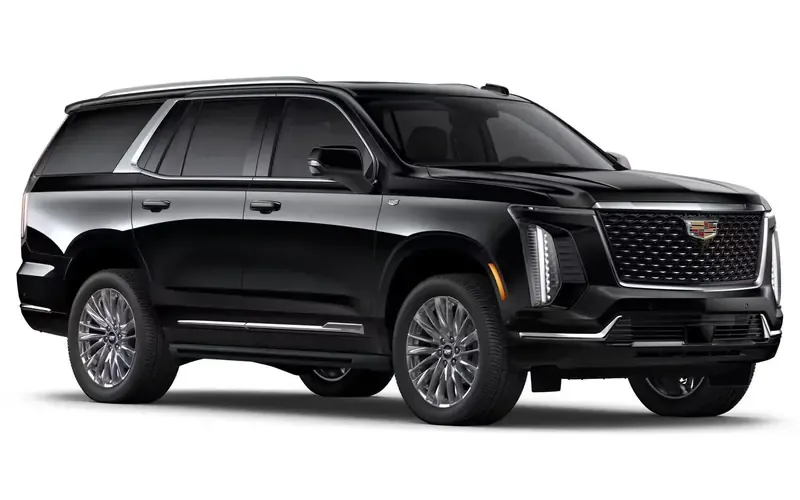
Keeping the bridal party in one vehicle solves a different problem. When everyone travels together, no one arrives in pieces, and the group can be counted at the door before the procession starts. A vehicle with a wide door and standing room makes a real difference in a long gown or a fitted suit, and a Sprinter limo van is often the easiest choice for that reason. Larger parties can share an SUV stretch limo and arrive as one group.
Choose vehicles by what people are wearing as much as by headcount. A stretch limousine suits the couple or a small party, while a party bus gives a big group room to spread out without crushing boutonnieres. Whatever you book, agree in advance where the car parks at the ceremony and how far guests will walk from the curb. A short walk in the wrong shoes is a longer delay than a few minutes of traffic, and the graceful exit post covers the doorway details.
Guest shuttles and hotel pickups on a tight schedule
A guest shuttle works on a different clock than the couple's car. It has to load a crowd, wait for the last person to finish a conversation, and still reach the venue before the ceremony begins. Loading itself takes longer than most planners expect, especially at a hotel with one working entrance. Plan the pickup so guests are on board and seated well before the departure time on the invitation, not arriving at the curb at that minute.
Hotel-to-venue shuttles need their own buffer because they cross the same bridges and arteries as everyone else. A shuttle bus or mini coach carries 25 to 56 guests, which means one late guest can hold the whole group. Ask the hotel whether the coach can stage at the door or must wait in a garage, since that single detail can add a quarter hour. Our hotel to venue shuttle planning starts with those loading and staging questions.
Drop-off points matter as much as pickup times. A venue on a narrow Georgetown street or behind a Capitol Hill church may not have room for a coach at the front door, so agree on the exact corner in advance and tell guests where to walk. If the ceremony and reception are in different places, run the shuttle on a repeating loop with a written schedule rather than one trip. The wedding guest shuttle page covers how those loops are built.
Photo tours that fit between traffic windows
Photo tours go wrong when the list of locations is spread across the region. A route that runs from the Tidal Basin to Old Town Alexandria to a Capitol Hill reception spends most of its time on the road and very little in front of a camera. Choose stops close to the ceremony or the reception, and treat the drive between them as part of the day rather than dead time. Two good stops near the venue beat five scattered across the map.
Every stop needs time to park and walk, not just time to shoot. A wedding photo tour works best when the chauffeur knows the parking situation at each location and the photographer knows how far the group will walk. Monuments and parks around the National Mall draw crowds on weekends and around events, so a stop that looks empty at 10 a.m. can be busy by noon. Build in a few minutes of walking each way and the schedule holds.
Watch the clock against the light and the traffic. Late afternoon sessions that run into the evening rush can strand a wedding party on a bridge when they should be at the reception. If your photos are scheduled near a weekday, aim to finish before the heaviest outbound traffic or plan the route so the reception is the next stop, not a cross-town drive. The multi-location wedding day post walks through that sequencing, and the first look ideas post shows how to use the car itself as a quiet stop.
Weather, seasons and the backup plan
Weather changes drive times as much as it changes photos. Rain slows every driver on the Beltway, snow can close a bridge approach, and summer heat makes a car sit with the engine running while the party waits indoors. A storm that arrives at 3 p.m. can turn a fifteen-minute hop into forty. The run sheet should carry a weather line for each leg, with a decision point and a named person who calls it.
Season matters in ways couples do not always plan for. Spring brings cherry blossom crowds to the Tidal Basin and the Mall, fall brings football weekends and leaf-peeping traffic toward Virginia wine country, and winter brings the occasional snow event that reshuffles the whole region. Our post on weather backup plans covers how to shift a photo stop or a shuttle time when the forecast turns.
Put the backup in writing before the wedding, not in a group text on the morning. Decide which stops can be dropped, which leg can leave earlier, and who makes the call if the radar looks bad. A wedding day coordination plan that includes a weather alternative keeps the couple out of the decision. The goal is a day that bends without breaking when the sky does something unexpected.
What to tell guests before the wedding
Guests plan their arrival around what you tell them, so be specific about timing and parking. Say when doors open, when the ceremony starts, and whether parking near the venue is limited. If a shuttle is running, give the hotel pickup location and the departure time, and ask guests to arrive ten minutes early. A short paragraph on the wedding website saves a dozen phone calls on the morning itself.
Be honest about the drive. If your venue sits across a bridge or off a parkway, tell guests roughly how long the trip takes and mention that rush hour can add time. Point them to the service areas page if they are coming from out of town and want a sense of the region. Vague directions like "twenty minutes from downtown" cause more late arrivals than any road closure.
Repeat the key details where people will actually look. Put shuttle times on the website, in the welcome bag insert and on a small card at the hotel desk if you are using one. For a wedding with several pickup points, a simple schedule with times and locations works better than prose. The wedding limo FAQs page answers the questions guests tend to ask about the cars themselves.
Planning the transportation around DC traffic
Start with the real map, not the ideal one. List every leg of the day, the time you want to arrive, and the drive time at the hour you will actually travel. Then add the buffer each leg needs for loading, parking and the unexpected. That exercise turns a wish list into a schedule, and it is the same exercise we do when we build a run sheet for a wedding.
Every wedding we handle gets one written run sheet shared with the couple or their planner, and the chauffeur stays in touch with the named contact on the day. If a road closes or a shuttle runs behind, the plan adjusts through that one channel instead of five separate phone calls. Red carpet, signs and other touches are arranged when booked and written on the quote, so nothing about the day is a surprise.
When you are ready, we write an itemized quote covering vehicles, hours, gratuity, tolls, parking, décor requests, deposit and cancellation terms, and nothing is booked until you accept it. Rolls-Royce, Bentley, vintage and electric cars are not in our fleet list, though availability can be confirmed on request. Get a free wedding quote when your date and venues are set, and we will build the traffic plan around them.