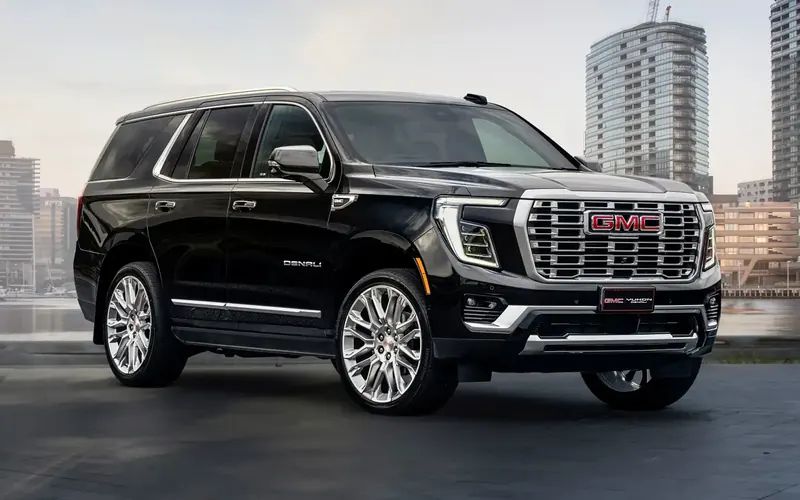
A wedding transportation weather backup plan is simply a written answer to one question: what changes if it rains, snows or turns hot on your wedding day. In Washington DC, Northern Virginia and Maryland you can meet all three in a single year, and the plan belongs on the run sheet before the week of the wedding, not in a text message that morning.
This post covers the parts of the day weather actually touches: how the couple and wedding party get from the hotel to the ceremony, how guests move between venues, what happens to photos, and how heat changes the way a car or shuttle should be run. It also covers what to ask for in writing when you book, so a rainy forecast leads to a decision rather than a scramble. For traffic and closures on the same day, read our guide to DC wedding day traffic alongside this one.
Key takeaways
- Decide drop-off and pick-up points for wet weather before the wedding week, not on the morning.
- Ask whether the vehicle can pull under cover and who holds umbrellas at each stop.
- Build a buffer into the run sheet so rain or snow slows the day without breaking it.
- Heat changes dressing, water and waiting plans for the wedding party and guests.
- Put the weather plan in writing and share it with your planner or named contact.
Why a weather backup plan belongs on the run sheet
Weather decisions made in the moment tend to be rushed ones. If the forecast shifts three days out, someone has to decide whether the couple still rides with the top down, whether the photo tour gets cut short, and whether guests wait outside or stay in the hotel lobby. Those calls are far easier when the options are already written down and everyone has read them.
That is why the plan belongs on the run sheet rather than in a group text. Every wedding we book gets one written run sheet, shared with the couple or their planner, listing pickup times, addresses, vehicle assignments and the day's order of events. Weather contingencies sit on that same document, so the chauffeur, the planner and your named contact are all working from one version of the day.
A written plan also keeps the decision with the people it belongs to. We can tell you what a covered entrance looks like at your venue, how long a shuttle loop takes in bad weather, or what a change does to your hours, but you and your planner choose the backup. Putting that choice in writing before the wedding week means the morning of the wedding is about executing a plan, not inventing one.
Rain: covered drop-offs, umbrellas and the walk to the door
Rain rarely ruins a wedding day, but it does expose every uncovered doorway between the car and the ceremony. The work is in the small details: where the vehicle can stop, who holds the umbrella, and how the gown and shoes survive the walk.
Scout the covered drop-off before the wedding week
Ask your venue where a vehicle can stop under cover, whether that is a porte-cochère, a garage entrance, a side door or a tented walkway. Many DC hotels and venues have one, but it is often not the main entrance. Confirm the spot with the venue and put it on the run sheet so the chauffeur knows exactly where to pull in.
Decide who holds the umbrellas
Umbrellas work best when someone is assigned to them. A planner, a family member or a member of the wedding party can meet the car at the door with two large umbrellas, one for the couple and one for anyone helping with the train. Write that person's name and phone number on the run sheet so the chauffeur can reach them.
Keep the gown and train off the ground
A long train picks up water and grit from pavement and car floors. Before the ceremony, have someone gather the train and carry it, or use a small towel on the seat and floor. Our guide to getting in and out of a limo in a wedding dress covers the order of steps for a clean entry.
Bring a second pair of shoes
Brides and bridesmaids often change into a second pair of shoes for photos and the reception anyway. On a wet day, keep the ceremony shoes in the car until the last covered step and wear something practical for the walk. A small bag with a cloth for drying heels is worth having in the vehicle.
Protect the car interior
Wet dresses, umbrellas and damp shoes mark upholstery and carpets. Ask your chauffeur where wet umbrellas should go, and bring a plastic bag or a small bin liner to keep them off the seats. This is a small thing that keeps the vehicle comfortable for the rest of the day and for the guests who ride later.
Plan the photo stops around the rain
Outdoor photo stops at the Lincoln Memorial, the Tidal Basin or the National Mall are exposed. Have an indoor or covered alternative in mind, such as a hotel lobby, a colonnade or a covered passage, and decide at what point you switch. Your photographer usually has a wet-weather list already; ask for it before the wedding week.
Tell guests where to wait
If guests are shuttling from a hotel, ask the hotel whether the pick-up point is covered and whether the lobby can hold people until the bus pulls up. A short wait inside beats a long wait in the rain, and it keeps the shuttle on schedule. Put the waiting point on any guest information you send out.
Snow and ice: timing, hills and the roads that slow down
Winter weather in Washington DC, Northern Virginia and Maryland is unpredictable in a specific way: a forecast that looks minor can still slow every road at once. The region does not see snow often enough for drivers to be practiced at it, and a small accumulation during a morning ceremony can turn a fifteen-minute drive into a much longer one. Build the day around time, not distance.
Hills and bridges deserve particular attention. Old Town Alexandria, Georgetown, and the roads running through Arlington and McLean all have grades that get slick, and the bridges across the Potomac become bottlenecks when traffic slows. Virginia Wine Country routes out toward Loudoun County include two-lane roads that are treated later than main highways. Ask your planner and venue what they know about the approaches, and add buffer to any leg that crosses a bridge or climbs a hill.
The practical answer is earlier pickups and more slack between events, not faster driving. If your ceremony starts at a fixed time, move the couple's departure earlier and let the wedding party wait at the venue rather than in the car. Keep the schedule flexible enough that a slow leg does not cascade into the ceremony, and confirm with your venue whether the building will be open early on a winter morning. For the broader picture on timing across the region, our wedding limo FAQs answer the questions couples ask most often.
Heat: keeping the wedding party and guests comfortable
Washington summers are hot and humid, and a car that has been parked in the sun can be uncomfortable within minutes. Heat changes how a vehicle should be run, how long people should wait outside, and how much water should be on board.
- Pre-cool the vehicleAsk that the air conditioning run before pickup so the car is comfortable when the wedding party steps in, not ten minutes later.
- Keep water on boardA case of bottled water in the vehicle costs little and helps the wedding party, photographers and older guests through a long afternoon.
- Shade the photo stopsChoose stops with trees or a covered edge, and keep outdoor sessions short with breaks back in the car.
- Limit waits outsideHave guests wait in the hotel lobby or a shaded area until the shuttle is at the door rather than standing on the curb.
- Watch the gown and suitHeavy fabric and dark suits get uncomfortable quickly, so build in a few minutes in air conditioning between photos and the ceremony.
- Check the alcohol policyIf you plan to serve drinks, remember alcohol is only for guests 21 and older and only where the vehicle and DC, Virginia or Maryland law allow it, and the policy is written on your quote.
- Plan for older guestsParents and grandparents feel heat more, so keep their sedan or SUV cool and their waits short, and have water within reach.
- Have a cool-down stopA hotel lobby or a shaded courtyard between photo locations gives everyone a few minutes to recover before the next set.
Building a wedding transportation weather backup plan that everyone can follow
A backup plan is only useful if it is short enough to read on the wedding morning. Keep it to one page: the trigger for each scenario, who decides, who is called, and what changes. Attach it to the run sheet so the chauffeur, the planner and your named contact all have the same version.
Name a decision-maker for each kind of weather and a time by which the call gets made. For rain, that might be the planner deciding on the covered drop-off an hour before the ceremony. For snow, it might be moving the couple's pickup earlier the night before. For heat, it might be shortening a photo stop on the day. Write down the phone numbers for everyone involved, including the venue's on-site contact.
Then think through what each change does to your booking. Extra hours, a different route, an added stop or a switch to a larger vehicle all affect the quote, so ask before the wedding week what a change would mean. If you want to talk through the options for your date and venues, request a free wedding quote and we will put the details in writing.
What weather does to photos and the photo tour
Rain, snow and heat each change where photos can be taken and how long the photo tour can run. Have a covered or indoor backup in mind before the week of the wedding. In DC, well-known options include the Great Hall of the National Building Museum, the enclosed courtyard at the Library of Congress, and the covered porticos at Union Station. Ask your photographer which backup they have used and confirm access with the venue.
A photo tour can flex with the forecast if the route is planned in advance. List two or three covered locations within a short drive of the ceremony or reception, and the chauffeur can move to the next stop if the weather turns. Build in extra time so a stop can be skipped without rushing the day. Our wedding photo tour transportation page explains how routes are planned.
Heat affects photos differently: makeup, hair and formal wear suffer in direct sun. Plan stops with shade or an indoor option and keep water in the vehicle. In snow, the priority is safe footing and a clear path to the door, so choose locations with covered drop-offs.
Guest shuttles when the forecast turns
Rain changes how guests load and unload a shuttle. A covered loading point at the hotel and at the venue keeps guests dry and keeps the shuttle on schedule. Ask the hotel where its covered entrance is and confirm with the venue where the shuttle should drop guests. Put the loading point on the run sheet and share it with the planner or a named contact.
Heat matters for shuttles too, especially for older guests and anyone in formal wear. Ask the chauffeur to keep the vehicle comfortable and board guests close to departure time rather than waiting with the doors open. Provide water at the loading point if the walk is long. For a wedding guest shuttle, the goal is a short, comfortable wait.
Snow and ice slow everything down: vehicles move more slowly and loading takes longer. Build extra time into the shuttle schedule and tell guests the shuttle will run on a slightly different rhythm if the weather turns. Confirm with the hotel and venue how their driveways and walkways are cleared.
What to ask for in writing when you book
Weather requests are easiest to honor when they are written on the quote and the run sheet. Ask for umbrellas, alternate drop-off points and extra time in writing, not as a favor on the day. The table below lists the items to confirm before you accept a quote.
Your quote should state what is included and what is not. If an item is not on the quote, it is not booked. The same goes for the run sheet: a covered drop-off or an umbrella request should appear there and be shared with your planner or named contact.
| Item | What to ask for | Where it should appear |
|---|---|---|
| Umbrellas | Number of umbrellas and who provides them | Quote and run sheet |
| Covered drop-off | Named entrance at each venue | Run sheet |
| Alternate drop-off | Backup entrance if the main one is exposed | Run sheet |
| Extra time | Buffer for slower loading in rain or snow | Quote and run sheet |
| Photo tour stops | Covered or indoor backup locations | Run sheet |
| Guest shuttle loading | Covered loading point at hotel and venue | Run sheet |
| Heat comfort | Water and vehicle cooling requests | Quote and run sheet |
| Weather decision contact | Who confirms changes and by when | Run sheet |
Building the weather plan into your transportation booking
Raise the weather plan when you request a quote. Tell us the season, the venues and the parts of the day that worry you most. We will write the weather items into the quote so you can see what is included before you book. Nothing is booked until you accept the written, itemized quote. If you are still choosing vehicles, the wedding fleet shows typical seat ranges and the wedding limo FAQs answer common questions about changes and requests.
On the run sheet, name a weather decision contact and a time to decide. That person might be the planner, a family member or you. The chauffeur stays in touch with that contact on the day, so a change in the forecast leads to a clear instruction rather than a group text. If you are planning a multi-stop day, our guide to planning a multi-location wedding day covers how the pieces fit together.
When you are ready, request a free wedding quote and include your weather questions. We will confirm what can be arranged, what appears on the quote and what belongs on the run sheet. A written plan will not change the forecast, but it will tell everyone what to do when the forecast changes.